








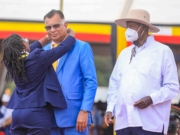
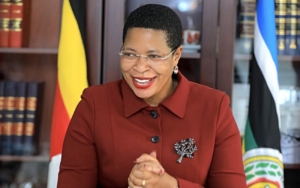
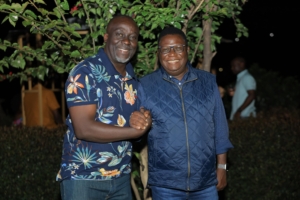
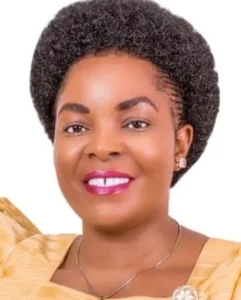
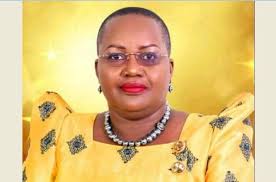
 Like the American comedian Groucho Marx warned, “politics is the art of looking for trouble, finding it everywhere, diagnosing it incorrectly and applying the wrong remedies”. It fits the moment in Uganda where the incumbent Speaker Rt Hon Anette Anita Among-often styled AAA in the Ugandan press, had seemed assured of an NRM walk-over, but now faces a five-way scrape as Hon Norbert Mao, Hon Princess Persis Namuganza, Hon Lydia Wanyoto Mutende and Odria Yoke Alion chip at her cushion and force last-minute bargaining ahead of May’s vote.
The contest to preside over Uganda’s 12th Parliament has overtaken ordinary business in party lobbies, radio and TV panels, social media platforms and constituency halls.
All five contenders are already canvassing the country, visiting newly elected MPs who form the may’s electoral college and doing out courtesy calls to regional “shakers and movers”-elders, cultural and religious heads as well as media owners and personalities whose nods shape local opinion.
Each campaign is scrubbed and careful: speeches stress impartiality, continuity, transparency and accountability as well as reform with the candidates presenting themselves as the safest pair of hands for the constitution’s third-ranking post-the Speakership, behind only the President and Vice-President.
Incumbent Speaker Annette Anita Among had entered the contest favored by the National Resistance Movement’s comfortable majority, only to see Democratic Party president Norbert Mao and Bukono County independent Persis Namuganza declare bids that fracture NRM discipline and hand opposition MPs a rare wedge issue.
Among, a former accountant from Bukedea who rose through deputy speakership to the chair in 2022 after Jacob Oulanyah’s death, is running on continuity: she cites new committee rooms, a digitized _Hansard_ and constituency outreaches she financed to thank distant MPs for past support.
Those tours now anchor her claim to a “full term.” Erute South MP-elect Sam Engola now repeats the argument saying “AAA canvassed every corner; loyalty should be rewarded.”
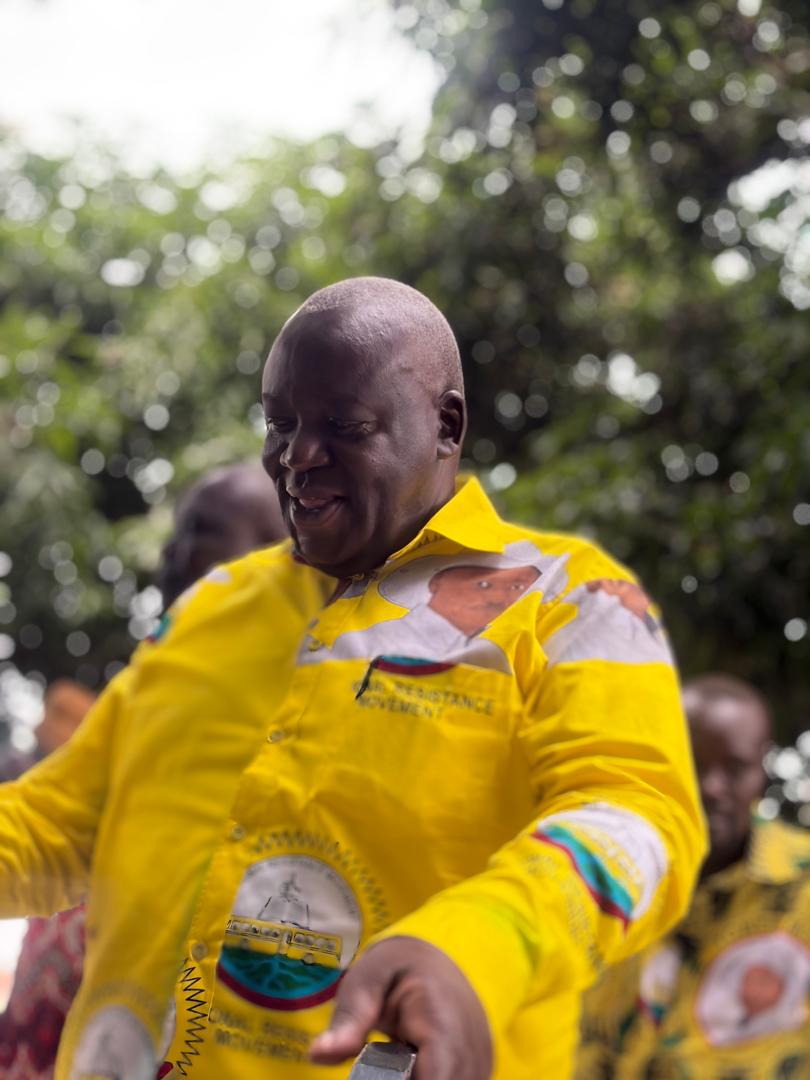
Hon Engola considered a pioneer movemenitist when majority of people in the Greater North were still hostile to NRM and Museveni has waved away Mao — who is the MP-elect for Pece-Laroo Division in Gulu City as an outsider who never endured NRM’s lean years.
“Atin dyel pe doto cak adyang” loosely translated as “a kid cannot be breastfed by a cow,” he told The Exposure Uganda (TEU), shorthand for keeping DP off NRM’s internal “milk.”
Hon Sam Engola known as Chairman Big Boss in Lango also brushes Namuganza off as pursuing a personal vendetta against AAA, whom he calls the NRM’s most active cadre and he brands others decampaigning Among as merely jealous.
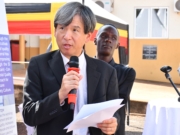
Speaking from Tokyo, Japan, Engola’s defense carries extra sting because he himself just staged a comeback, toppling UPC veteran Hon Jonathan Odur in January after a decade out of Parliament, a win loyalists say proves his judgement and NRM grit.
He now pledges to whip fellow MPs-elect into line with Among, insisting NRM’s culture demands it: a convention, he argues, holds that Speaker and deputy speaker serve two five-year terms before rotation-so hungry ‘hyenas’ like Mao will not overturn precedent on his watch.
Hon Mao counters that the Speaker’s chair should sit above party. In a Tuesday manifesto he pledged neutral reform: electronic voting in the chamber, strict timetabling of executive business, and sanctions for ministerial absenteeism.
Allies call him a consensus figure who can calm an opposition that felt bulldozed during oil-pipeline and electoral-law debates.
Namuganza, a populist sanctioned in the 11th Parliament then cleared by court, pitches herself as a grassroots interrupter; she tells women’s forums the House needs “a speaker who fears market traders more than ministers.”
The Mbale City Woman MP-elect Wanyoto’s entry tightens the squeeze. Fresh off a women’s-league win and Pan-African parliamentary stints, she argues NRM women deserve a turn in the speakership and quietly courts independents and bloc-caucus colleagues who once leaned Among.
Analysts say she may not win, but she can shave critical votes from Anita’s base—especially female MPs—forcing deeper bargaining or an embarrassing first-ballot shortfall.
Speaker’s Job.
The Speaker runs Uganda’s unicameral Parliament and sits third in the constitutional line.
The speaker chairs all plenary sittings, enforces the Rules of Procedure, maintains order and decides points of order, represents parliament externally, heads the Parliamentary Commission, Business Committee and Appointments Committee.
The speaker can prorogue parliament (after consulting the president) and proclaim where and when it meets. To prorogue parliament means to formally end a parliamentary session, halting all businesses, committees and debates until a new session is summoned by proclamation. It clears the order paper without dissolving the legislature, so MPs keep their seats but pending motions die.
The speaker presides over the election of deputy Speaker and certifies bills passed to the president.
Uganda follows a unicameral Westminster-style system within a presidential framework: one chamber elected for five-year terms, government business managed by a Leader of government Business, the speaker is meant to be a neutral arbiter though elected by MPs-often under strong party influence.
Since the 1995 Constitution replaced the presidential speaker, incumbents have balanced government urgency with backbench protections; critics say Among tilted executive-wards, while supporters credit her for fewer deadlocked votes than her predecessor.
With 557 MPs due to vote in May, Among retains NRM’s block, yet Mao’s reformist overtures tempt independents and opposition, and Namuganza could split protest votes.
For parties, the election is more than prestige: it foreshadows leverage over graft inquiries, speech time, even 2026 budget amendments.
Kampala’s corridors are alive with whispered head-counts; in a house where process is power, the contest itself now dominates the debate.
The chair runs the House: picks speakers, certifies bills, heads the Parliamentary Commission and sits third in the constitutional line after president and vice-president.
The Jacob Oulanyah and Rebecca Alitwala Kadaga eras taught MPs how one personality can tilt debate time, oversight and budget tweaks, which is why this race has swamped talk of fishing levies and road funds in corridors.
NRM’s whips still count a majority, but Mao’s reform message, Namuganza’s protest appeal, and Wanyoto’s women’s-caucus pull mean Among faces a frag-mented contest.
In a chamber where procedure is power, every peeled-off MP narrows her cushion and lifts the opposition’s leverage before plenary gavels in next month.