




















Like Mahatma Gandhi, the iconic Indian non-violence activist, philosopher and writer who played a pivotal role in his country’s struggle for independence from British rule once said: “…the earth has enough resources for our need, but not enough for our greed…”, the sustainable use of natural resources can not be over emphasized in our current global community.
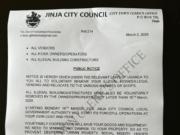
In a stark illustration of this timeless wisdom, Megan Patel, one of Jinja City’s top investors, has found himself at the center of a heated controversy over the degradation of Masese Wetlands, a vital ecosystem located along the Jinja-Iganga Highway.
Despite being caught red-handed by armed security personnel in army uniform, Patel has vehemently denied any involvement in the destruction of the wetlands, sparking widespread outrage and skepticism.
According to eyewitnesses, Patel was supervising the backfilling of the wetlands, a serious environmental offense that can have devastating consequences for the ecosystem and the community.
The wetlands, which are crucial for maintaining the balance of the environment and supporting biodiversity, are protected by law, and any attempts to degrade them are strictly prohibited.
“…we do not support the sabotage of economic activities,” whoever is culpable will have to answer before the relevant authorities, particularly before the courts of law…”, said Jinja RCC Richard Gulume Balyainho.
Patel’s denial of the allegations has been met with incredulity, with many questioning the credibility of his claims.
“…Denial ain’t just a river in Egypt…,” as the renowned American writer, humorist and social critic Mark Twain (1835-1910) once said, implying that denial can be a coping mechanism, but not always an effective one.
The incident has since sparked a heated debate about the importance of environmental protection and the need for accountability among those who would seek to exploit natural resources for personal gain.
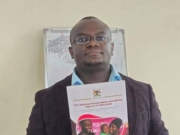
“…the truth will come out, and denial will only prolong the pain,” said Julius Kayira Nabambula, a whistleblower and lead petitioner in the case, time for accountability”.
Julius Kayira Nabambula Calls for IGG Investigation into Ministry of Lands and Jinja City Land Board. He also Calls upon the Fountain of Honor to Intervene.
A longtime critic of the NRM government and a vocal advocate for environmental protection, and good governance, Nabambula is now citing the President’s own policies to hold Patel accountable.
“…In your efforts to eradicate poverty from Ugandans President you instructed us Ugandans to use wetlands for fish farming as a source of income which we have done but this man {Patel} connived with some people and secured a land title on a gazetted wetland…”, part of his letter reads.
Apart from backfilling the wetlands, Kayira accuses Patel of dumping murram on their fishponds where they operate under Kitovu Fish Farmers Association which was formed way back in 2017.
In the letter, Kayiira further alleged that Patel has been employing muscular enforces, locally known as ‘kanyama’ to intimidate and harass residents who dare to challenge his illicit activities.
Julius Kayira Nabambula has also urged the newly appointed Inspector General of Government (IGG)Hon Lady Justice Naluzze Aisha Batala to investigate the Ministry of Lands and the Jinja City Land Board over the issuance of a title in a protected wetland area to businessman Megan Patel.
Given President Museveni’s reputation for thoroughness, it is likely he will get the attention of the relevant authorities like the Land Desk at State House-State House Anti-Corruption Unit (SHAU) headed by the no nonsense Brig General Henry Isoke, among others to take action.
It might be a while before we see any concrete action, but it is definitely worth keeping an eye on to witness as heads roll in Jinja City.
Julius Kayiira Nabambula’s call comes after Patel was caught red-handed supervising the backfilling of Masese Wetlands, a vital ecosystem along the Jinja-Iganga Highway.
The former radio presenter heads a group of more than 300 urban poor farmers who are struggling to make ends meet and fend for their families in the fast-growing Jinja City, once the industrial hub of East Africa.
According to sources, Nabambula is determined to see justice served and is being supported by well-connected individuals, including Indian investors who feel Patel has unfairly benefited from his actions. “…It is time for accountability…,” Nabambula said, adding, we cannot allow civil servants to flout the law and compromise the environment without consequences.”
The investigation is likely to expose unethical practices and potentially lead to disciplinary action, including job losses and prosecution, against officials involved in the scandal.
Consequences of Inaction.
The scandal highlights the need for strict enforcement of environmental laws and regulations. Failure to hold officials accountable can lead to continued environmental degradation, loss of public trust in institutions and unchecked corruption and abuse of power.
It is a striking paradox that Deputy RCC Hamis Nagaya Kiganira, ostensibly the President’s representative in Jinja City, would be involved in a contract to supply murram for the very wetlands degradation he’s supposed to help prevent. This apparent conflict of interest raises questions about accountability and the priorities of those in power.
What Next?
As the investigation unfolds, the public is eagerly awaiting justice. The case serves as a test of the government’s commitment to environmental protection and good governance.
Will the authorities take decisive action, or will the interests of powerful individuals prevail? It now remains to be seen whether Patel’s denial will hold up against the evidence. One thing is certain, however: the people of Jinja City in particular and Uganda as a whole will be watching closely to see whether justice is served and the environment is protected.
The Environmental Impact.
The degradation of Masese Wetlands is a serious environmental offense that can have far-reaching consequences for the ecosystem and the community. Wetlands play a crucial role in maintaining water quality, preventing flooding, and supporting biodiversity.
The destruction of these ecosystems can lead to loss of habitat for wildlife and fish, decreased water quality, increased risk of flooding and negative impacts on agriculture and food security. It will also damage section of the Jinja-Iganga Highway, an important trade link with neighboring Kenya and South Sudan.
The Role of NEMA and the Uganda Police Force.
The National Environment Management Authority (NEMA) and the Uganda Police Force have a critical role to play in protecting the environment and enforcing environmental laws.
“…We will not hesitate to take action against anyone who flouts environmental laws…,” said a NEMA official.
In a bid to salvage their boss’s reputation, some of Megan Patel’s aides have been frantically reaching out to friends and family urging them to downplay the wetland saga.
However, their efforts have been met with widespread skepticism as the incident was witnessed by multiple individuals who captured footage of Patel’s arrest and involvement in the wetland’s degradation.
The desperation has only added fuel to the fire further damaging the reputation of their boss and highlighting the need for transparency and accountability in the face of environmental wrongdoing.
Conclusion
The Masese Wetlands scandal is a stark reminder of the importance of environmental protection and the need for accountability among those who would seek to exploit natural resources for personal gain. As the people of Uganda demand justice and action, it is clear that the protection of the environment is a critical issue that transcends party lines and personal interests.
In the words of President Yoweri Museveni, “The environment is a critical component of our national heritage, and it is our responsibility to protect it for future generations.”
It is a fact that Megan Patel wields significant influence over local authorities, with some alleging that his connections to powerful figures and willingness to generously “facilitate” officials enable him to bypass accountability.
Critics describe Patel as a master of leveraging his wealth and connections to get what he wants, often at the expense of others. His reputation for “wetting the beaks” of officials has raised concerns about corruption and favoritism.
This perceived immunity has emboldened Patel, who has been accused of flouting environmental regulations and disregarding the law. The weekend wetlands scandal has sparked outrage, with many questioning whether Patel will face consequences for his actions.
As one observer noted, “It’s concerning when individuals believe they can buy their way out of accountability.” The situation raises questions about the role of money and influence in governance and the impact on justice and equality.”