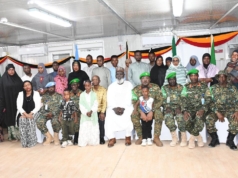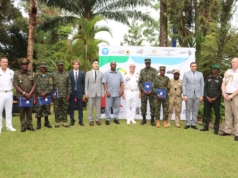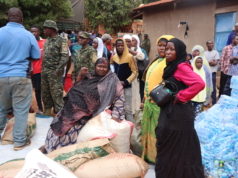

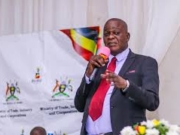
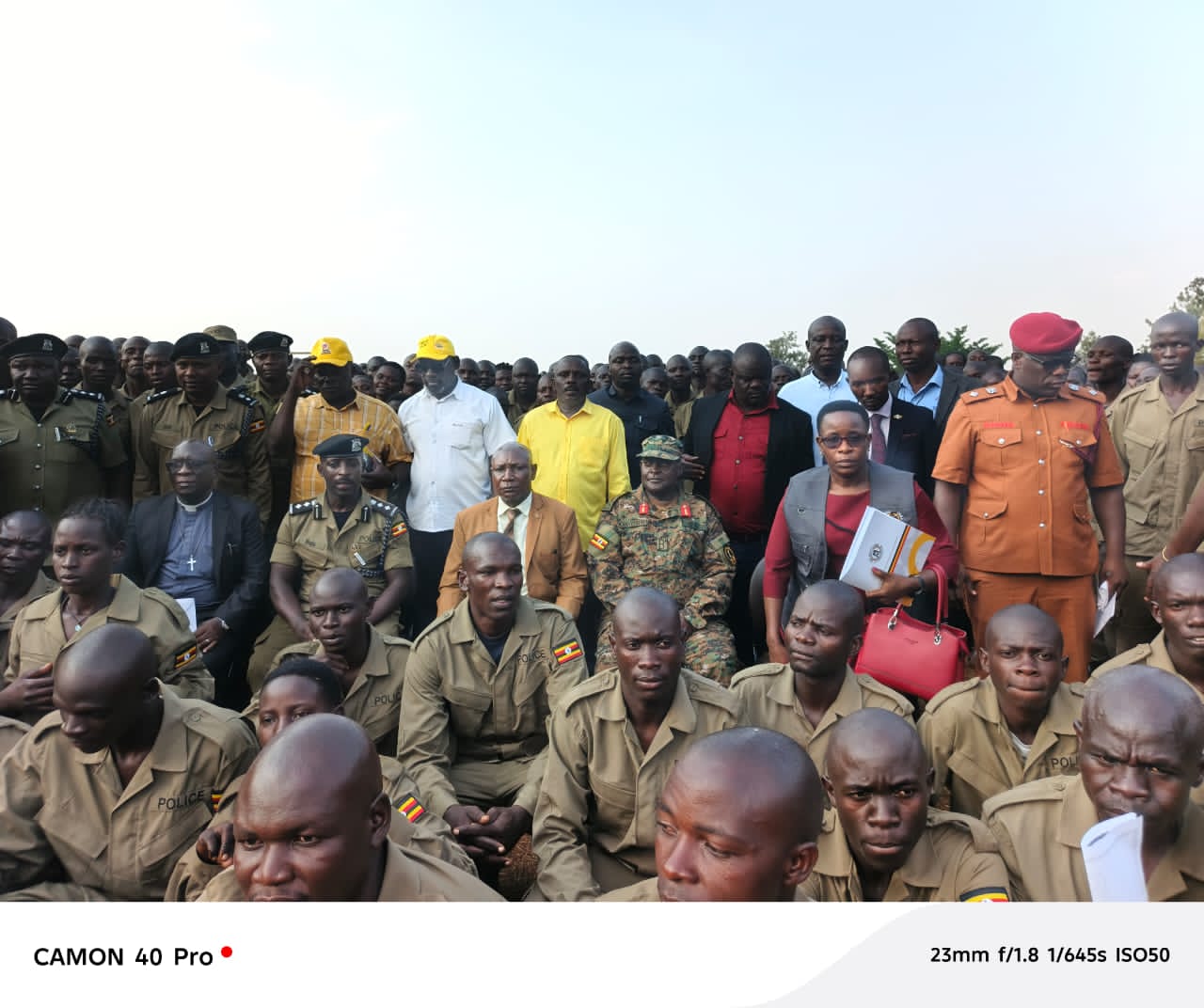

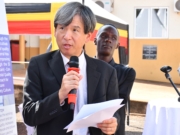
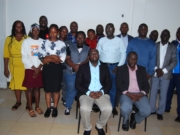
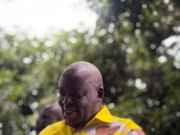
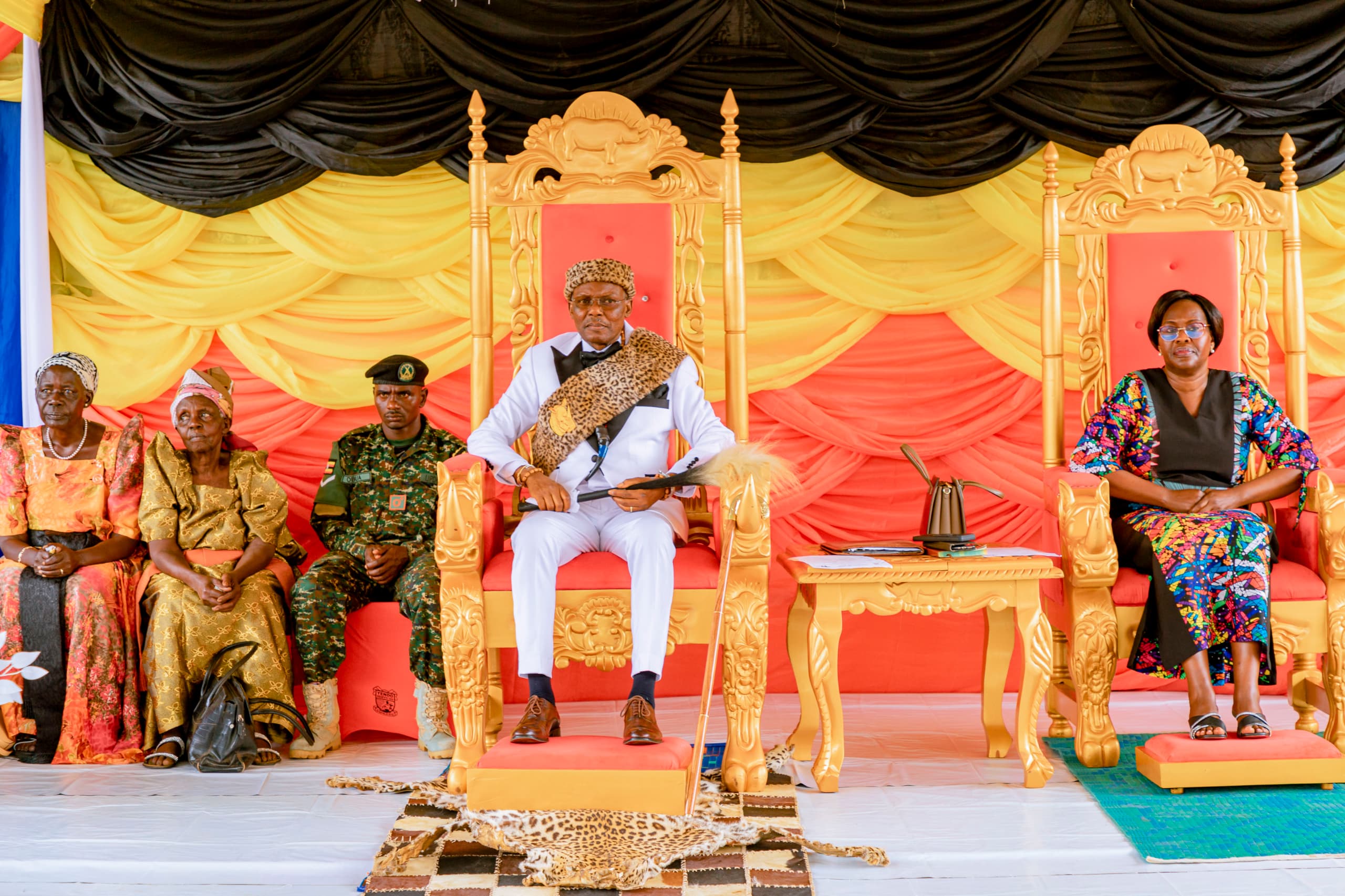
Weeks after Uganda’s bruising general elections that begun on January 15, Lango’s Paramount Chief also known as Won Nyaci Me Lango, His Royal Highness Eng. Dr Michael Moses Odongo Okune, gathered thousands of subjects in Lira City for a joint ecumenical service dubbed “the Peace, Unity and Reconciliation Prayer Meeting”, aimed at stitching a divided subregion back together.
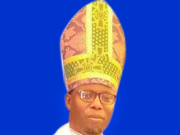
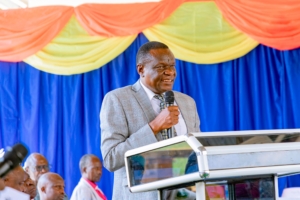
Under the banner of Tekwaro Lango, clergy from Catholic, Anglican, Islamic faith, Pentecostal and Orthodox churches led prayers, hymns and readings while Eng. Dr Odongo Okune, the duly elected chief on 4 March 2024, framed politics as a conflict that outlasts tally sheets.
The Odongo Okune initiated Lira City gathering echoes Psalm 133- “how good and pleasant it is when God’s people live together in unity”, without naming it outright.
Psalm 133 celebrates unity as a practical good, oil running down Aaron’s beard, dew on Hermon-all images of abundance that come when people keep working together.
The Won Nyaci borrowed that logic-shared prayer and ritual as maintenance and that political competition does not starve the everyday cooperation, markets, boreholes, water wells, places of worship, among other social activities that Lango relies on.
“Elections cleave families, neighborhoods, brothers or sisters who have farmed or traded side by side for years,” he told a crowd of winners, losers, elders and youth during the historic event held at the Lango Cultural Centre in Lira City East Division.
“Losing does not mean the end of life.” He drew on family memory: his father, the late Hon Joseph William Okune-Onweng (deceased 2009), lost twice; his mother Imat Hellen Acen-Odora lost twice before winning and serving to retirement. His own climb to the Lango throne, he said, came only after years of knocking.
Eng. Dr Odongo Okune invoked the premise of Campbel’s 2024 Heal To Lead that politics heals best when loser’s losses are acknowledged and urged Tekwaro Lango to mainstream trauma healing—mediations, cultural rites, and public services—so civic competition does not calcify into permanent rancor.
Campel’s Heal to Lead: Revolutionizing Leadership Through Trauma Healing, (2024) argues that unprocessed trauma drives reactive, distrustful leadership—and that healing practices belong in organizational life, not just private therapy.
In a campaign season shaped by commercialized politics, where losers count material and emotional debt, the Paramount Chief’s message was pragmatic: reconciliation is infrastructure, and Lira’s “mammoth” attendance suggested the budget line is not imaginary.
Local priests backed him plainly: forgive, meet, share work. No promises of overnight unity; just a mechanism, repeated, that lets neighbors share a market again.
For Lango’s new MPs, LC5 chairpersons, Mayors and councilors, many of them young and vibrant, the service was both balm and hint—leadership here will be judged by whether the sub-region’s schism can hoe the same fields after the event.
Drawing on psychology and case studies, the book outlines how leaders who acknowledge loss, listen well and build repair routines create safer teams and steadier decisions.
It is written for practitioners: frameworks for psychological safety, conflict de-escalation and “repair” after rupture, rather than abstract theory. In short, Campel treats healing as infrastructure for reliable authority.
By invoking _Heal to Lead_, the Won Nyaci Me Lango is saying Lango’s post-election wounds—envy, debt, humiliation—are noy t private aches; they are public risks.
If leaders model repair, a service, a mediation, a shared chore, politics stops being a permanent feud. His message was loud and clear that rivalry is normal, but without healing, rivalry becomes gridlock.
That is what Campel means by “trauma-aware leadership,” and what HRH Odongo Okune wants Tekwaro Lango to practise.
The Paramount Chief noted with satisfaction that, unlike some regions, Lango gave President Yoweri Museveni 84 percent—fulfilling, he said, a long-held local desire to continue joining what he describes as ‘progressive forces’ and help the NRM “protect the gains” made over 40 years, since the former NRA rebels ousted Gen Tito Okello Lutwa’s six-month government, which itself had toppled UPC’s Dr Apollo Milton Obote in a military coup.
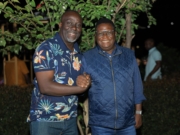
The service drew senior figures like the NRM Government Chief Whip Hon Denis Hamson Obua who is also the outgoing Ajuri Constituency MP, Hon Felix Okot-Ogong the outgoing Dokolo South MP, and dozens of others, as a visible signal that Lango’s 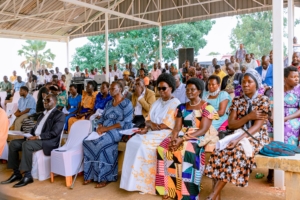
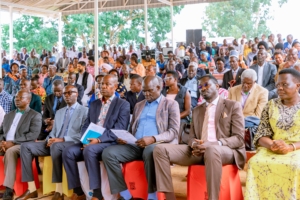
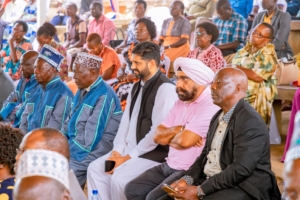
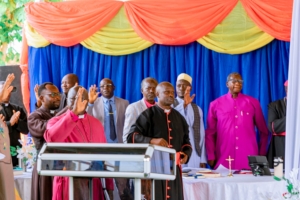 political and traditional establishment is keen to be seen investing in calm and practical unity.
The Lira City meeting did not pretend to erase rivalry, it scheduled it a backseat and by staging forgiveness as ordinary work, a prayer, a mediated dialogue, a chore rota the Won Nyaci recast reconciliation as maintenance, not miracle.
If the template holds, leaders absorb loss publicly, clan heads share visible tasks, clergy and imams keep convening rivals, then elections become seasons not schisms.
For now, Lango’s test is modest and hard-that neighbors who backed different candidates will still queue at the same holy communion altars, market places, wedding grounds and funeral tents as well as same roads and streets and will help push each other when one finds oneself in tricky situation.
At The Exposure Uganda (TEU) we treat reconciliation as reportable fact, not mood music. The Odongo Okune service is worth the ink because it proposes a mechanism, public acknowledgement of loss, mediated contact, shared labour that can be checked.