

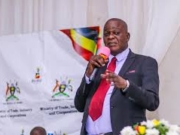

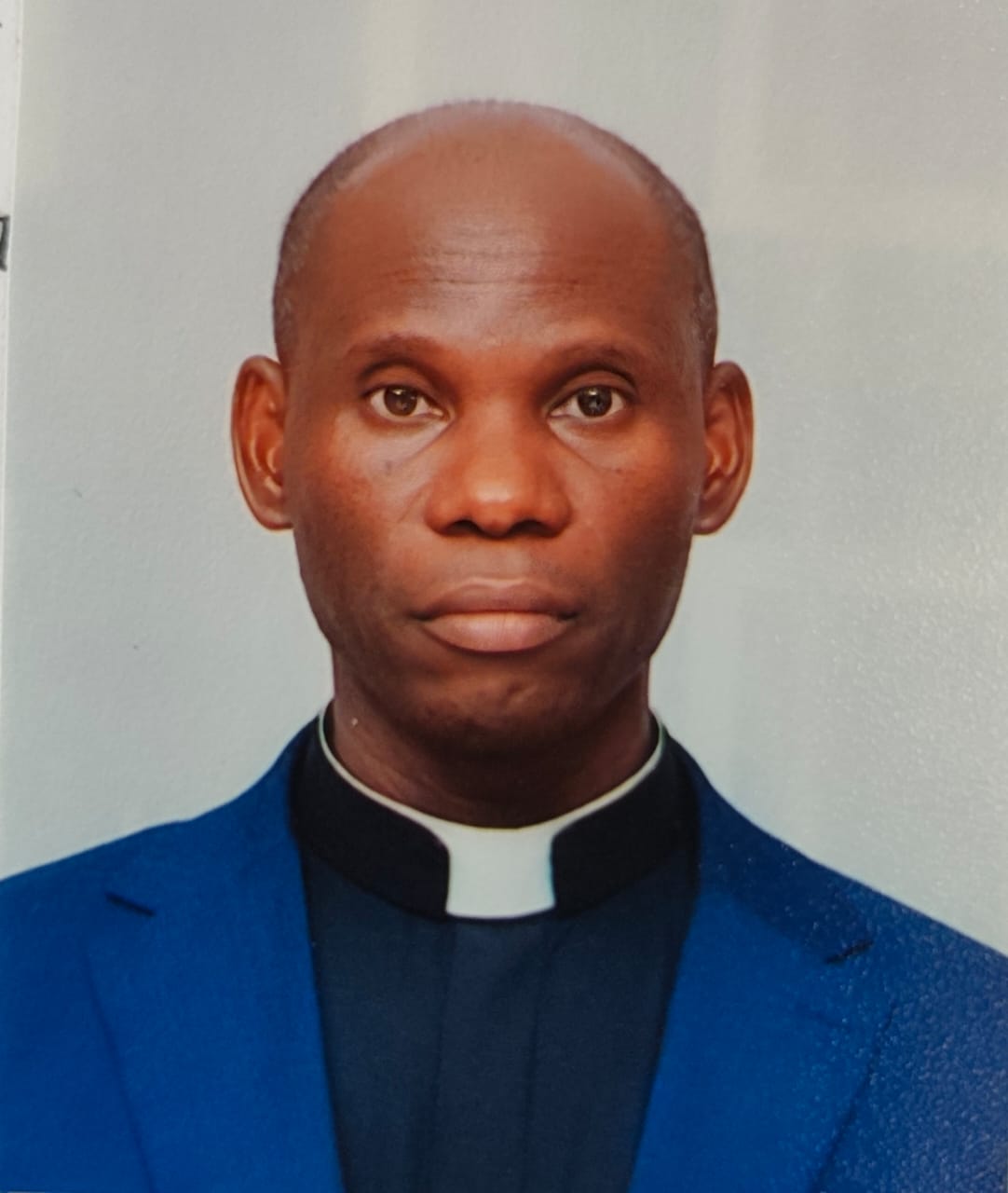


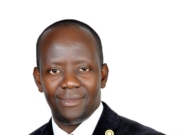



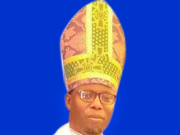


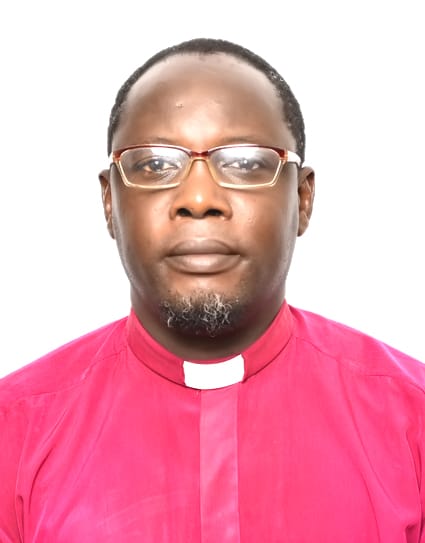
Archbishop‑elect Amb. Prof. Mugume Bagambaki Richard of Upper City Covenant Churches has again released a lengthy meditation this week comparing Christian discipleship to Olympic athletics, framing Paul’s racing metaphors as a blueprint for Uganda’s beleaguered believers.
In a WhatsApp‑circulated note (signed with his chancellor title at UCCSAT University), Prof Bagambaki strings together 1 Corinthians 9, Hebrews 12, Galatians 5 and 2 Timothy 4 to argue that sanctification requires the same painful discipline as a sprinter’s training: lay aside sin, keep eyes on Christ, reject legalism, endure.
Historical thread.
St Paul’s athletic images struck his first audience precisely because Greek games were public, grueling, and rule‑bound. “Run to get the prize” (1 Cor 9:24) would have echoed in Corinth, a city that hosted Isthmian contests; Hebrews’ “throw off every weight” mirrors a runner discarding cloak and food‑belt.
Paul wrote to cities that actually held games: Corinth hosted the Isthmian Games every two years—foot‑races, wrestling, a pine‑wreath prize; analogies came baked into local skyline, not from a commentary.
Runners trained at dawn, shed weight, obeyed judges, and accepted only one winner. Losers got olive‑branch portraits, not medals. That factual backdrop sharpened his metaphors: “run to get the prize” implied sweat‑drenched laps around a stadium crowd, not Sunday‑jogger inspiration.
The games were brutal and public, which made endurance visible and quitting embarrassing; perfect pressure for letters urging churches not to drift when persecution bit.
When he urges Timothy to “compete by the rules,” he’s referencing referees who disqualified athletes for false starts—freedom in Christ, in other words, still had lanes. The games were brutal and public, which made endurance visible and quitting embarrassing; perfect pressure for letters urging churches not to drift when persecution bit.
The archbishop-elect’s memo revives that literal context, noting the ancient link between sweat and glory.
In 1 Corinthians 9 Paul defends his apostolic freedom like marriage and salary, among others to remove obstacles to the gospel,” becoming all things to all that I might win some”.
Corinth was divided, some questioning his credentials, so he wanted concrete self-sacrifice to silence critics and model evangelistic flexibility.
Galatians 5 Paul reacts to Judaizes who were insisting that Gentile converts be circumcised declares for freedom Christ has set us free and warns that using freedom for self-indulgence destroys community, instead serve one another through love.
In Uganda the text presses both sides those who add tribal or moral hoops to true Christianity and those who treat liberation as permission toward a Spirit-led ethic visible in anti-corruption activism and care for child mothers.
In 2 Timothy 4, Paul’s final letter from a Roman cell, urging Timothy to ‘preach the word in season and out…, “ I have fought the good fight” .
For Ugandan clerics, and civil leaders facing intimidation, it is a memo to keep speaking truth on justice and environment even when crowds chase ‘itching ears’, trusting that endurance is its own testimony.
Again, in Uganda today this reads as a challenge to the clergy/pastors and politicians who earn from the ministry or office-are they willing to surrender privilege so that the message or service reaches fisher community on Lake Victoria or Lake Kyoga, refugees in settlement camps, market women, roadside vendors, among other vulnerabilities without being priced out.
Hebrews 12 written to Jewish-background believers under pressure likely pre-70 AD persecution), who were tempted to drift back to temple routines.
The author urges them to run with endurance fixing eyes on Jesus, embracing hardship as discipline. The motivation is to keep a weary community from abandoning faith.
Churches in Uganda facing burn out from scarcity, unemployment, political fatigue and business failure frustration to family-related issues among other challenges can hear it as permission to name suffering as discipline that produces steadfastness, not as reason to quit door to door and lifestyle witnessing.
Prof Bagambaki directs the metaphor at churches navigating politics, land disputes and economic pressure. He warns that “returning to performance‑based religion” trips runners—an indirect jab at prosperity gospel currents in Kampala, and other cities or towns and at clergy who “cut in” with partisan endorsements.
For Bagambaki, the “prize” is not medals but “the upward call…to become like Jesus” (Phil 3:14), steadiness amid voter intimidation, and service despite meager stipends. UCCSAT students, he implies, should read hard and preach holier rather than chasing titles.
Why now. Ugandan Christians face headline‑fatigue: parish splits over land, elections testing church neutrality, and economic strain on seminary graduates and ministry challenges where many Christians are becoming ‘rebellious.
Recasting faith as a race reframes endurance as normal. The piece is less exegesis than exhortation: train, obey the rules, fix your eyes on Christ, finish.
Prof Bagambaki closes with Paul’s valedictory: “I have fought the good fight, I have finished the race” (2 Tim 4:7), offering Ugandan believers a lexicon of perseverance while academics will parse his exegesis, ordinary readers get the message—keep running. Tel +256 774 459971; brichardmugume@yahoo.com.