


, “An unexamined life is not worth living,” a famous maxim by classical Greek philosopher Socrates(470-399BC), who told Athens’ jury in 399 BC, insisting that scrutiny of self and society was the core of civic duty.
This dictum is recorded by Socrates’ student, Plato, whose Apology was his version of the speech Socrates gave at his trial, defending philosophy until the jury sent him to drink hemlock.
Now organizers of a one-day regional multi stakeholders dialogue in Jinja borrowed that line, on Uganda’s 2026 elections with the same challenge: examine what went wrong, and improve.
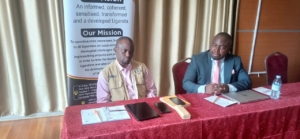
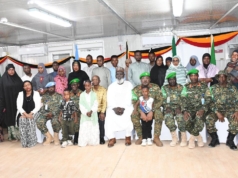
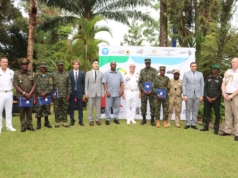
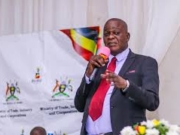
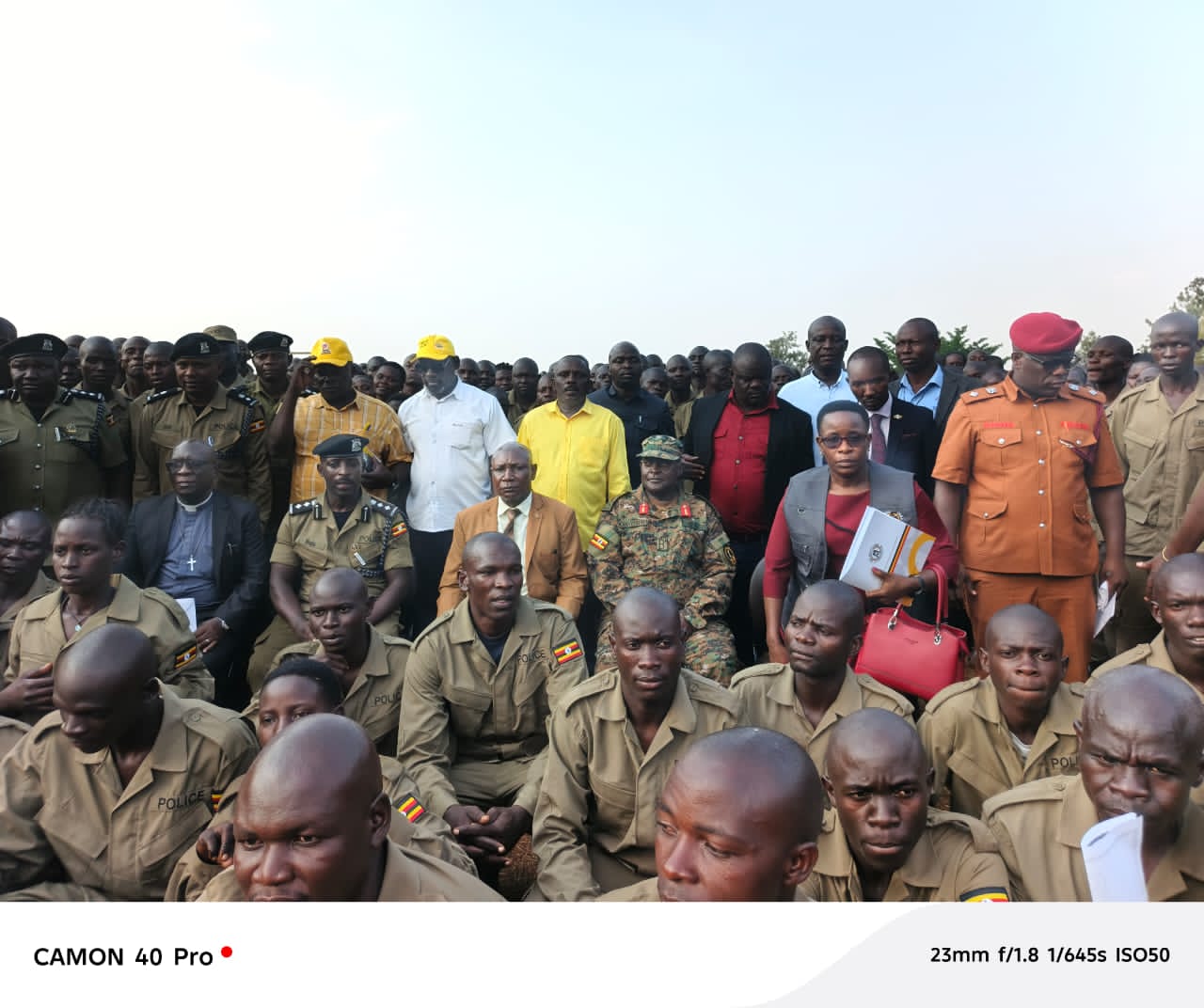
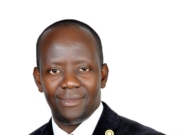
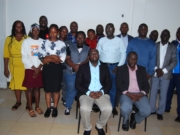
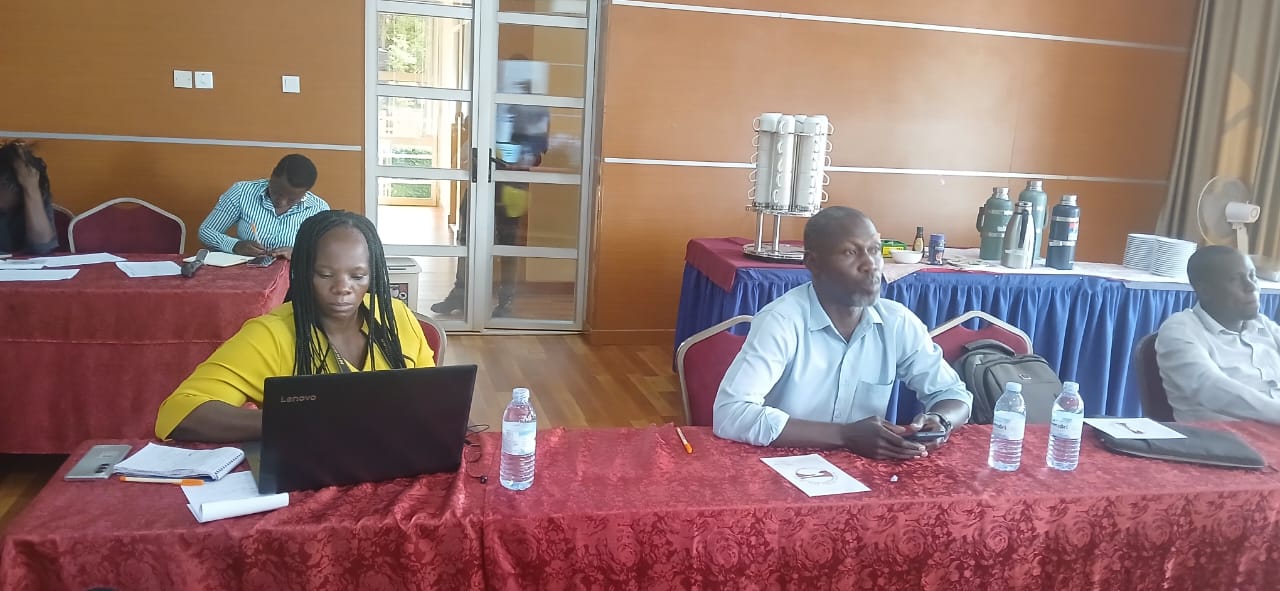
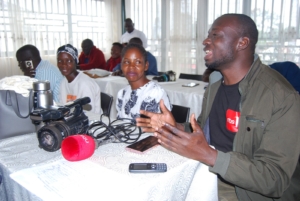
Chrispin Mutehimbwa Kakuba, the Executive Director (ED) of Sensitize Uganda, in his opening remarks welcomed journalists, police, electoral officials and religious leaders to the magnificent Source of the Nile Hotel overlooking River Nile.
“Dialogue is not about assigning blame, it is about building understanding, strengthening cooperation, and identifying ways to improve future processes”, he said.
Formally registered in 2014, Sensitize Uganda describes itself as a non‑partisan NGO promoting participatory democracy, civic engagement and good governance.
Kakuba told the attentive audience that Sensitize Uganda’s vision is to have “an informed, coherent, sensitized, transformed and developed Uganda.”
Last week’s forum, jointly run with the Uganda Human Rights Commission and funded by DW Akademie, was part of a broader regional series aimed at journalist safety and professionalism.
DW Akademie is the German broadcaster’s training arm which has worked in Uganda since 2018 on media literacy and public‑interest reporting.
The Jinja dialogue, like others in Gulu and Mbarara, gathered reporters, regulators, security personnel and community leaders for what she called “a two‑way reflection on election and post‑election experiences.”
Kakuba framed the stakes bluntly: “Elections are critical moments in any democratic society, they shape leadership, influence public trust in institutions, and test the resilience of democratic systems.”
Journalists, he argued, are the “fourth estate” and human‑rights defenders in those moments, yet in January many faced safety threats, access denials and ethical pressure.
Calling the press, the “Fourth Estate”, means it acts like a fourth branch of power watching government alongside the legislature, executive and judiciary.
The idea grew out of Edmund Burke’s (1729-1797) remark, reported later by Carlyte that reporters outrank parliament’s three estates and the phrase stuck in the 1880s as newspapers spread.
The Sensitize Uganda boss listed a five-fold agenda of empathy which is building across professions, clarifying the media’s mandate, cataloguing challenges from 2026, auditing professionalism, and drafting actionable recommendations.
Police, represented by SSP Christopher Katumba the Deputy Kiira Regional Commander (RPC) defended the force saying they did their best to police the polls in a highly tension-packed and polarized Uganda, courtesy of a rocket-speed moral erosion by many Ugandans who are always defiant even on very clear and obvious issues.
The Busoga Diocesan Mission Coordinator Rev David Isabirye who represented the Inter Religious Council urged stakeholders to provide a conducive environment because they play a crucial role in society.
Rev Isabirye quoted Karl Barth’s line when responding to an interview in the Time newspaper in 1966 when he said: “take your Bible in the right hand and hold the newspaper and read both but interpret newspapers from your Bible.
He says as preachers of the Word of God they live here on earth and must be grounded in Scripture yet reacting to real-world issues rather than hiding in dogma underscoring the need to allow journalists do their work and to do it professionally through accurate and unbiased reporting.
Outcomes targeted mutual understanding, a safer working environment and reinforced ethics. “When journalists are able to work freely, safely, and responsibly, the entire democratic ecosystem benefits,” Kakuba said.
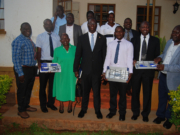
Participants endorsed quarterly editor‑commander dialogues and scenario‑based safety drills.
Turning Socratic scrutiny toward practice, the forum closed with thanks to the Uganda Human Rights Commission for its partnership and to DW Akademie for support.
For Sensitize Uganda, an examined election and press is Uganda’s next step toward the developed, informed public its vision demands, ahead of 2031.