






“When you drink that thirst-quenching cold clean water, remember who dug the well”, goes an old popular wise saying among many African communities and from 16th March to 14 April,2026, the proverb is being lived out village by village in Jinja district.
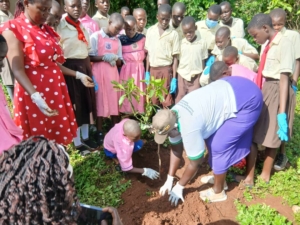
Jinja District Local Government Sanitation Week 2026 began on a positive note with a series of activities from 16 March to 14 April, and will climax with World Water Day commemorations at Limuli Trading Centre in Butagaya Sub‑county.
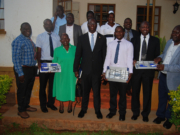
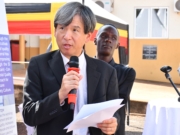
These include the launch of Sanitation, Hygiene, Environment and Climate Change week that was done on 16th March 2026 at Kakira Town Council headquarters in the district.
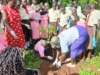
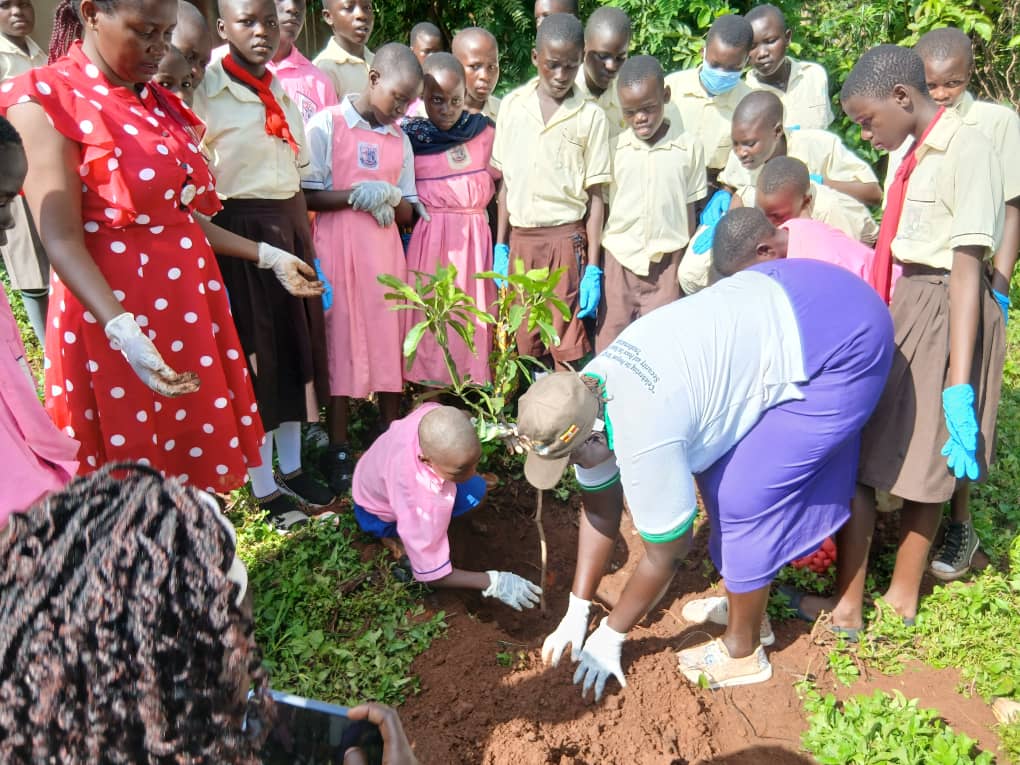
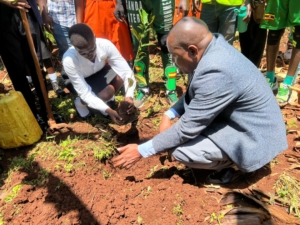
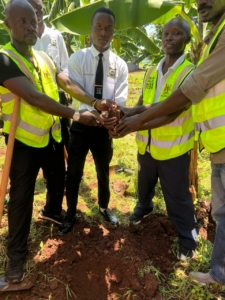
“Tree planting by students and staff of Muljibhai Madhvani College Wairaka, Ministry of Water officials, and members of Walkers Association of Uganda led by Geoffrey Ayeni.
Godfrey Ayeni had led a group of walkers from Moroto through Jinja to Kampala ahead of the national celebrations held at Kololo Independence Ceremonial grounds on Sunday.
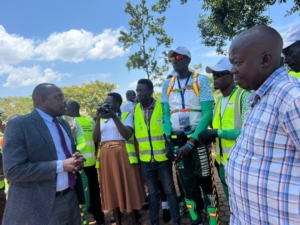
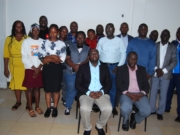
The pupils, teachers and community of St Stephen Primary School, St Tereza Primary School, vendors from Kakira market and local leaders from the area also participated in the activities like general cleaning, clearing of drainages and tree planting.
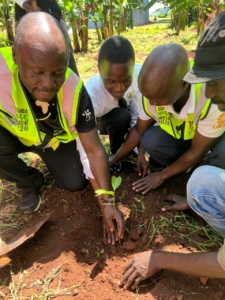
Other activities include radio talk shows, clean‑ups of 10 health facilities and 10 schools, and triggering meetings to end open defecation in 15 villages. The week also launches Jinja’s monthly National Cleaning Days, starting at Lubani Trading Centre.
Organized by Eng. Alex Kyombo (the District Water Officer), David Kagongo (the Assistant District Water Officer) and Were Edward (the Senior Environmental Health Officer), the campaign is running under the national theme “Accelerating Safely Managed Sanitation for a Healthier Uganda.”
This theme means Uganda is pushing beyond just building latrines but ensuring that toilets actually keep waste separate from people, that feaces get emptied, transported and treated and that hand-washing is habitual.
‘Accelerating’ signals urgency that more households with basic sanitation which currently stands at two figures, fewer leaking pits and open-defecation cases, and market-based options.
Experts say the health payoff is straightforward with less cases of diarrhea, typhoid, cholera, helminths (parasitic worms like roundworm, hookworm and whipworm that live in human intestines), especially for children so that human development improves.
People usually pick them up from soil or water contaminated with faeces and in places with poor sanitation they cause anemia, stomach pain and in children stunted growth, that is why Jinja’s sanitation push monitors helminthiasis cases.
For Jinja’s campaign, Edward Were says it’s the banner under which they audit schools, trigger villages and launch cleaning days linking sanitation progress directly to community health.
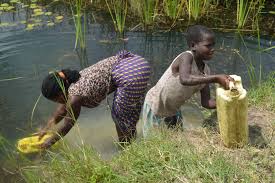
Water, sanitation and health are tied together tightly because dirty or contaminated water spreads cholera and typhoid, poor sanitation puts feaces near homes so kids pick up diarrhea and worms, both raise malnutrition because sick children cannot absorb food.
“Without hand-washing, infection cycles back through food and water and so improving safe water, latrines and handwashing facilities breaks the chain and cuts diseases”, Edward Were says.
The district, recording 10,725 diarrhea cases and 23,733 helminthiasis cases in FY 23/24, aims to mobilize 10,000 residents, assess 30 schools and 30 health facilities, and inspect 10,000 households across Iziru, Kagoma, Butagaya and Buwenge.
“Safe water coverage is 80 %, but only 38.2 % of households have basic sanitation,” the concept notes generated by the technical team states. Planned outputs include functionalizing 50 water‑user committees, training 80 health workers and 100 teachers, and declaring two villages open‑defecation‑free.
The programme slots into Uganda’s broader WASH strategy (CAST) campaigns, community triggering, and climate‑resilient water source protection—coordinated through the District Water and Sanitation Coordination Committee.
CAST is a health-mobilization campaign: Community Awareness-Screening, Testing used in Uganda for TB, HIV and other diseases.
Jinja district is adding a plus sign alongside screening meaning they do household water/sanitation assessment, triggering talks and name-and-shame visits for homes without latrines.
It borrows the campaign’s community-bases mobilization speed but stretches it to WASH behaviors.
Sanitation Week Roots Trace Back to Dakar 2004.
Uganda’s annual Sanitation Week, now in its 19th edition, originated at the first Global WASH Forum in Dakar, Senegal, where delegates resolved to make water, sanitation and hygiene a year‑round development priority.
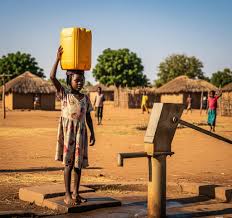
The forum set March, ahead of World Water Day (22 March), as an action‑oriented week for countries to share experience, mobilize coalitions and push hygiene up the public agenda.
Since then, Uganda’s National Sanitation Working Group has steered the campaign through districts, schools and villages.
Each year a theme guides stakeholders to showcase progress, reward top‑performing schools and homesteads, and feed ground‑level lessons back to policymakers.
Over nearly two decades the rhythm: community dialogues, clean‑ups, demonstrations, has become a fixture in the sector’s calendar, credited with incremental gains in latrine coverage and hand‑washing practice even as challenges remain.