
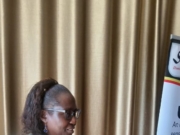


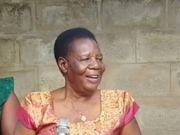
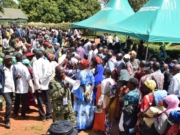
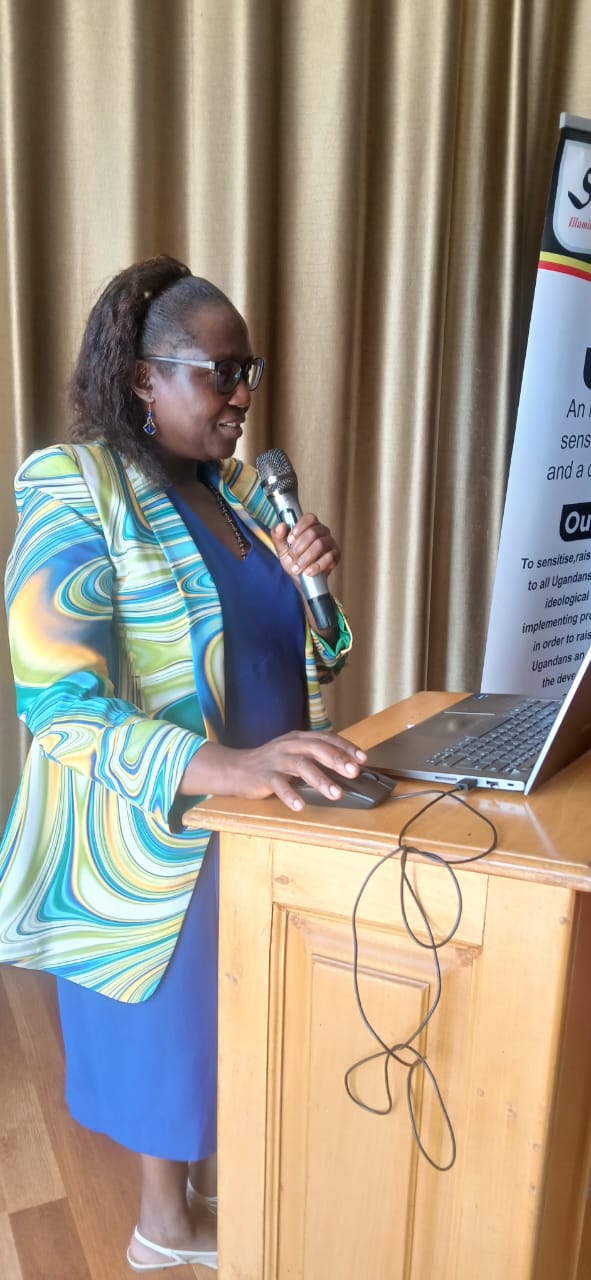
“When the microphone dies, democracy coughs,” Senior Human Rights Officer attached to the Uganda Human Rights Commission (UHRC) Ms. Rose Mary Kemigisha told a post‑election dialogue organized by Sensitive Uganda and the UHRC at the Source of the Nile Hotel in Jinja City.
Now, several years when she covered Uganda’s contested polls, Kemigisha fondly called RMK or simply Kem by peers returned not with a pipette of ink but with a scalpel of principle, dissecting 15 January’s vote through the prism of Article 29: freedom to seek, receive and impart information.
Ms. Kemigisha opened with election arithmetic: “Our country has just completed a critical cycle of elections, there are winners thumping chests, losers counting losses and crying foul, and petitions already in motion”.
Her voice comes from the tense season she once had as a reporter for the state‑owned New Vision, during the era of William Pike—historically close to the then NRA rebel leader now President Gen (Rtd)Yoweri Kaguta Museveni who successfully battled Dr Apollo Milton Obote’s government.
Those Pike‑era lessons in discipline, editorial ethical adherence, independence and verifying rough copy shaped her keynote’s cadence.
Like they say “You cannot stop birds flying overhead, but you can stop them nesting in your hair”, Ms. Kemigisha’s butchered draft stressed that that what matters, now, is what happens after the contest especially for journalists who should leave no room for lazy ideas to roost.
Her preamble set the tone for an address, veteran journalists like Rev Nelly Nelsons Otto who trades under the byline “Nelly Otto” and Moroto-based Joe Wacha later called, “real butchering”
Addressing reporters, editors, security chiefs, and CSO representatives from Busoga and Bukedi (18 districts) after Uganda’s tense polls, Ms. Kemigisha unpacked a Reuters Institute snapshot.
From the Reuters Institute interviews she cited six Ugandan journalists who were kept anonymous described January’s elections as the most restrictive stretch they had covered.
The internet blackout dragged longer than 2016 or 2021, collapsing live updates; TV crews were forced to narrate scenes over the phone because video could not upload.
Reporters who covered Kawempe North by-election and Mbale City said police confiscated cameras and threatened detention; two women said editors pulled them from field work, calling it “too risky.”
Accreditation letters were revoked without explanation, forcing journalists to spend weeks in vetting queues. One freelancer described handing memory cards to a boda‑boda rider after confirming the rider knew four alternative routes in case of road‑blocks.
Another spoke of “no safety, no story” becoming a newsroom rule: editors spiked a nighttime raid piece rather than risk a team.
The blackout, she argued, “did not merely disrupt reporting; it entrenched impunity.” Police who once offered shelter now seized gear and beat reporters.
Accreditation became a filter—journalists spent weeks in vetting queues only to be dropped without reason. The support scaffold of CSOs fell when they were suspended before voting day.
“No one has the right to silence another… and no one should allow another to be silenced,” she said, quoting Article 29 back to the security chiefs in the room.Journalists, she insisted, are human rights defenders.
The Reuters interviews bore proof: when a reporter in Kawempe was detained, colleagues reported the arrest so he did not disappear; rival radio stations met in backstreets to exchange interviews; editors who invoked the rule “no safety, no story” literally saved lives.
Yet she admitted shadows, women passed over for field work, “envelope journalism” born of wages thinner than a newspaper margin, and media houses whose owners also sit in parliament.
The Impunity Of Some Duty Bearers.
She said the greatest threat to human rights observance is impunity, where a duty bearer knows that what they are doing is bad but does it all the same because they know there will not be accountability or consequences.
Kemigisha said impunity is not abstract, it is the shrug before the assault and that it chokes rights faster than any law.
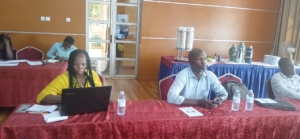
In her expanded narrative, that victory rests on load‑bearing walls—safety for journalists, security posture that protects rather than pursues, and a civic humility that lets criticism live.
Information, she reminded them, is power; power kept in daylight is power held to account.
Those present noted Kemigisha still carries that newsroom darling’s calm, the contagious smile and unruffled demeanor that once made copy-tasters lean in rather than flinch.
Media As Power, Not Ornament.
In a plain-spoken segment of her address, Kemigisha told the dialogue attendees that information is the business of media and that information is power, reminding them that citizens who do not know their rights can not defend them and that watchdog scrutiny which is independent criticism of established power is how full citizenship breathes.
When the press is free, she argued, everyone’s speech lifts and when it is muzzled, freedoms crumple together.
On civic competence, vote by vote, she quoted the Commonwealth Election Broadcasting Guidelines stating that the media must convince people that politics is not a theatre, or sloganeering, it is their health, education, culture, security and future.
In practice, she listed the beat, explain policies, profile candidates, decode procedures, reflect women, youth, PWDs, minorities and turn election noise into usable knowledge.
Roles Beyond Headlines.
The Senior Human Rights Officer also ran a checklist almost as a litany-educate and entertain, yes but also host public dialogue, expose rights abuses and violations, monitor state obligations, set the agenda, amplify the voiceless, mirror society’s progress and rot and do so all within the ethical code. “Professionalism is not garnish, it is duty”, she stressed.
Journalists As Defenders.
Leaning forward, Kemigisha called reporters ‘human rights defenders’ who need special protection. This means reporters do the same front-line work as any rights defender like exposing abuses, documenting violations and holding power accountable, often at personal risk.
“They speak for others at personal risk, attacks on them are attacks on the public’s right to know”, she said.
Election Time Table.
Linking back to the January’s chaos, boda-boda couriers, accreditation revoked, cameras and recorders seized, she spelled out expectations-vote yourself, provide accurate, timely coverage at every level, bridge electorate, parties and the Justice Simon Byabakama-led Electoral Commission, promote peace while deescalating tension, reflect diversity, and hold power accountable.
Above all stay alive and safe not safety because no story is bigger than your life-and for rosemary Kemigisha this is not a footnote but the first line in the code.
Kemigisha framed media freedom as Article 29 blood flow— “the right to seek, receive and impart information…so citizens can know their rights, defend them and vote.”
She warned that attacks on press freedom cascade: “No one has the right to silence another… and no one should allow another to be silenced.” Journalists, she said, were “human rights defenders” who kept the rule “no safety, no story” alive by moving in groups, sharing footage across rival stations and, when a reporter was detained, bearing witness so he did not disappear.
Her address, in dialogue parlance, was less post‑mortem than field manual for 2026—and a reminder that “information is power, and power kept in daylight is power held to account.”
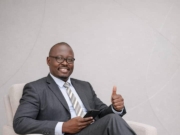
As Kemigisha delivered her keynote address, Farouk Nyende-UHRC’s Jinja Regional office head and Programme Manager Rebecca Nanyonjo beamed from the front and back row.
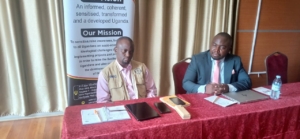
RMK concluded with the Commission Chair (Mariam Fauzat Wangadya’s) line as benediction: an election “where every Ugandan feels seen and heard is already a victory, even before results are announced.”
Participants said the senior officer’s authoritative, incisive address was a proud moment for the commission-substance over slogans, a living reminder that UHRC posts are held by people who know why they are there.