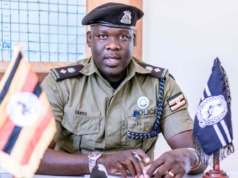

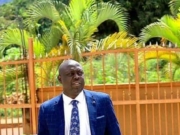
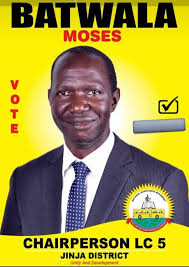
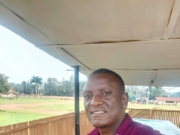
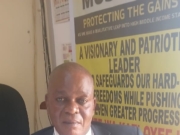

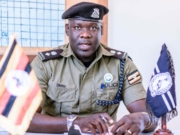


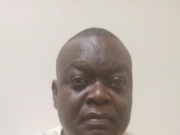



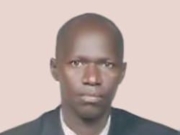
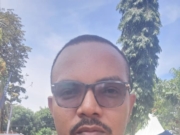
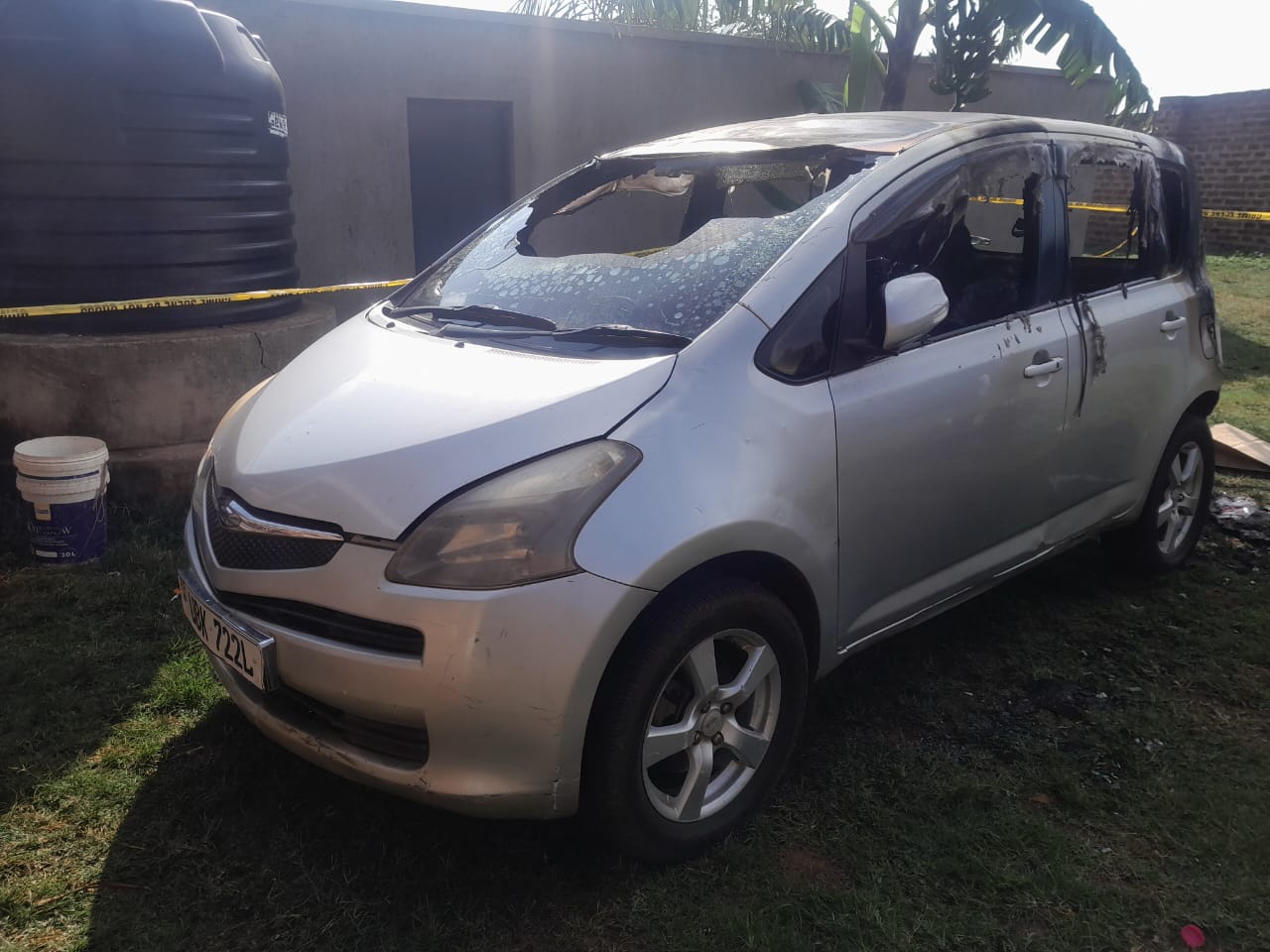
40-year-old Tadeo Yuda, the Gombolola Internal Security Officer (GISO) for Kakira Town Council is in police custody for allegedly setting ablaze a Toyota Ractis vehicle with registration number UBT 722L belonging to his brother’s household.
The incident reportedly occurred on 11th February, 2026, at around 2:30 am, at the residence of Innocent Ngaya, Yuda’s brother, in Kakira Town Council, Jinja District.
According to SP James Mubi, the Kiira Regional Police loudspeaker, the arrest was made after a swift response to the incident, aided by a police sniffer dog that led detectives to Tadeo Yuda’s sitting room.
Preliminary investigations suggest that the alleged arson may be linked to longstanding family disputes, compounded by political differences stemming from the recently concluded general elections.
What is more, Tadeo Yuda was already out on police bond for a separate case involving malicious damage to church property in Wairaka, Jinja district. This has raised questions about his behavior and character whether he is a habitual offender and poses a risk to the public.
Tadeo Yuda and his brother reportedly supported rival candidates in the race for the Butembe Constituency MP seat which was won by FDC’s Grace Kirya Wanzala.
Relevant Laws and Penalties.
When a GISO who is supposed to uphold law and order is accused of committing a crime like arson, it raises serious concerns about their integrity and fitness for the role.
Under the Penal Code Act (PCA), arson is classified as a felony, punishable by imprisonment for life. Section 327 of the Act states that any person who willfully and unlawfully sets fire to any building or structure, including a dwelling house, commits a felony and is liable to imprisonment for life.
A felony is a serious crime that carries a punishment of imprisonment for more than a year or even life imprisonment.
Felonies can include crimes like murder, rape, robbery, aggravated assault and kidnapping, among others.
Furthermore, Section 328 of the Penal Code Act provides that attempting to commit arson is also a felony, punishable by imprisonment for fourteen years. If convicted, Tadeo Yuda could face severe penalties, including life imprisonment.
Arson is the intentional act of setting fire to property such as buildings, vehicles or other structures with the intent to damage or destroy it.
Arson can be a serious crime causing harm to people, property and the community. Arson can be classified into different degrees depending on the jurisdiction and the circumstances of the crime. Some common factors that can affect the severity of the charge include intent, damage, risk to people and motive.
Ongoing Investigations.
SP Mubi says detectives are conducting prosecution-guided investigations into both incidents, and updates will be communicated as necessary.
Mubi explains that prosecution-guided investigations refer to a collaborative approach where the police work closely with the prosecution team to gather evidence and build a strong case against a suspect.
In this approach, SP Mubi says the prosecution team provides guidance to the police on the investigation, helping to identify key evidence, witnesses and legal issues that need to be addressed.
Experts say this approach can be beneficial in complex or high-profile cases where a strong partnership between the police and prosecution can help ensure that justice is served.
Roles of A GISO.
In Uganda, a GISO is an officer under the Internal Security Organization (ISO). The ISO is a security agency responsible for internal security, intelligence gathering and investigations.
As a GISO, their role typically involves gathering intelligence and reporting on security matters at the district level headed by the District Internal Security Organization (DISO).
He also collaborates with other security agencies like the Uganda Police Force to maintain law and order and to provide security advice to local leaders and communities. Their role also is to identify and mitigate potential security threats.
In summary, GISOs play a crucial role in supporting the ISO’s mandate to ensure internal security and stability. They often work closely with local communities, leaders and other stakeholders to build trust and promote security.
Charges and Potential Penalties.
If charged with arson, Tadeo Yuda could face imprisonment for life under Section 327 of the Penal Code Act. Additionally, if found guilty of malicious damage to property, he could face imprisonment for up to five years under Section 335 of the Act.
The Aftermath of Elections: A Call for Reconciliation and Healing.
The just concluded general elections have left an indelible mark on the nation, with many individuals and families grappling with the consequences of their choices.
The incident involving Tadeo Yuda, the GISO Kakira Town Council, who was arrested for allegedly setting ablaze his brother’s vehicle, is a stark reminder of the deep-seated divisions that have emerged.
Unfortunately, this case may be just the tip of the iceberg. Many people are nursing wounds, both physical and emotional, caused by the intense campaign season.
Information available show that the loss of cash, assets, and livelihoods has left some individuals and families in precarious situations. Moreover, the strain on relationships has been palpable, with friends and relatives finding it challenging to reconcile with one another.
The Need for Reconciliation and Healing.
As the nation begins to heal from the wounds of the election season, it is essential that stakeholders take proactive steps to initiate reconciliation and healing programs. These initiatives can help restore harmony and promote unity among individuals, families, and communities.
Key Areas of Focus.
Community-based initiatives: Local leaders, cultural and religious organizations, and community groups can play a vital role in promoting reconciliation and healing. They can organize town hall meetings, interfaith prayers, workshops, and other forums where individuals can share their experiences and work towards healing.
Counseling and support services: Providing access to counseling and support services can help individuals cope with the emotional trauma caused by the election season. This can include one-on-one counseling, group therapy, and support groups.
Dialogue and mediation: Encouraging dialogue and mediation can help resolve conflicts and promote understanding between individuals and groups. This can be particularly effective in resolving disputes between family members, friends, and neighbors.
Promoting tolerance and understanding: educational programs and awareness campaigns can help promote tolerance and understanding among individuals with different political affiliations. This can include workshops, seminars, and social media campaigns.
This incident, stemming from personal disputes fueled by political differences, serves as a stark illustration of the deep-seated divisions that can emerge in the aftermath of intense election seasons.
As investigations continue and the legal process unfolds for Tadeo Yuda, this case underscores the urgent need for comprehensive reconciliation and healing initiatives across communities as explained in this news piece.