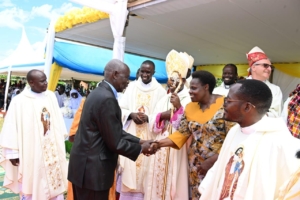


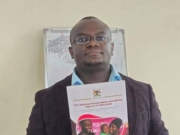
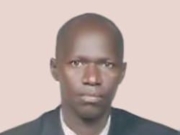
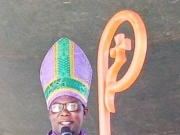
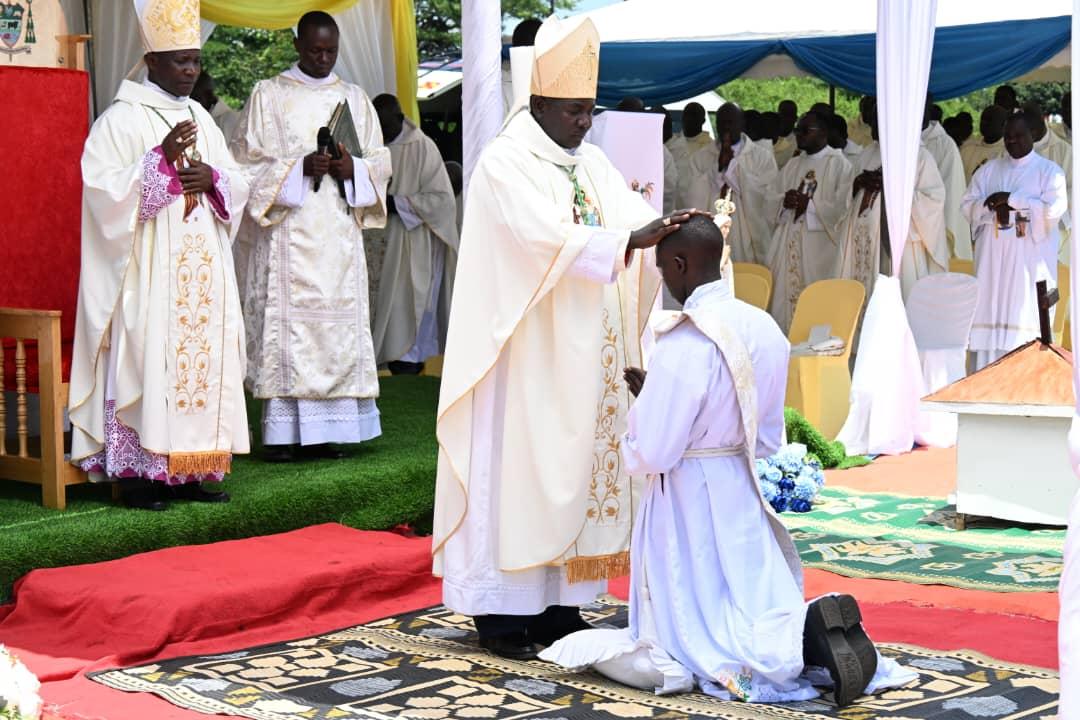
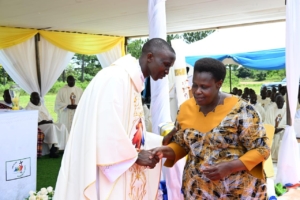
In a solemn yet celebratory rite at St. Augustine Catholic Parish Mukongoro, Bishop Joseph Oliach Eciru on Saturday ordained Rev. Deacon Christopher Olupot to the priesthood, urging the 28‑year‑old Comboni missionary to “be sane and sober” as he takes up pastoral care for the faithful.
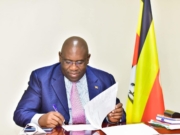
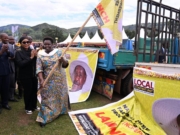
The ordination, witnessed by Uganda’s Vice‑President Maj (rtd)Jessica Alupo, drew clergy including Kotido Diocese Bishop Dominic Eibu and Moroto Diocese Bishop Damiano Giulio Guzzetti, alongside hundreds of family members, friends, and parishioners from Soroti Diocese.
No Mediocrity’ in Priesthood.
“Use the gift of Priesthood to build the Kingdom of God. Cherish, guard, and use it according to the intentions of the donor,it tolerates no mediocrity. Be sane and sober because you have a great task of saving God”, Bishop Eciru told the new priest.
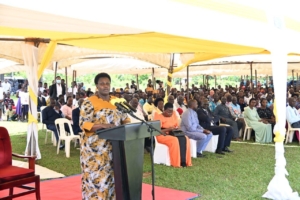
HE Maj(rtd)Jessica Alupo,in an address congratulated Fr. Olupot, who has been posted to the Comboni Province of Italy with immediate effect. She commended the Church’s work in schools and hospitals and urged the priest to serve with humility, compassion, and a strong ethic of self‑value and hard work.
From Kanyum to Naples.
Fr. Christopher Olupot was born 17 July 1996 to John Olupot and Jane Amoit Olupot of Ariet‑Otojima village, Kanyum County, Kumi District.
He schooled at Soroti Demonstration Primary School, Kabwele Primary School, St. Peter’s Seminary Madera, and Mother Kevin SSS for A‑Levels, where he met the Comboni Missionaries after becoming religious prefect.
His formation began in 2015 at Queen of Apostles Philosophy Centre,situated on the Rubaga hill in Jinja City, the Comboni postulancy, culminating in a Bachelor’s in Philosophy in May 2018.
He entered the Novitiate in Namugongo, made Temporal Vows, then studied theology at the Jesuits’ Pontifical Faculty of Theology of Southern Italy in Naples from September 2021, graduating June 2024.
Priesthood in the Catholic Church: Selection, Training, Deployment.
Unlike many Protestant and Pentecostal traditions where a calling can lead quickly to pulpit and ordination, Catholic priesthood follows a structured, multi‑year path governed by canon law and bishops’ oversight.
Discernment & Selection: A candidate must be a baptized, confirmed Catholic male, usually at least 25 for priesthood. He presents himself to a diocese or religious order. The bishop or superior, with a vocations director and formation team, assesses spiritual maturity, psychological fitness, academic ability, and pastoral aptitude. Background checks and psychological evaluations are standard.
Training: Formation typically spans 6‑9 years and has four pillars — human, spiritual, intellectual, pastoral.
Propaedeutic/Spiritual Year_: Prayer, catechesis, community life.
Philosophy: 2‑3 years, often at a seminary or philosophy centre like Queen of Apostles, Jinja.
Novitiate: For religious orders like the Combonis, a year of intense spiritual initiation ending in temporary vows of poverty, chastity, obedience.
Theology: 4 years at a major seminary or pontifical faculty, ending with a bachelor’s or licentiate. Pastoral placements run alongside studies.
Diaconate: Ordination as a transitional deacon for at least six months before priesthood.
Deployment: A diocesan priest is incardinated, that is legally tied to a diocese and deployed by the bishop as curate, parish priest, or chaplain.
A religious priest, like Fr. Christopher Olupot, belongs to an order and is missioned by his provincial superior. He may be sent anywhere the order serves, as Fr Olupot is now to Italy. Final vows and ongoing formation continue after ordination.
Celibacy and the Catholic Difference.
The Latin Catholic Church requires priests to embrace celibacy, a perpetual commitment to remain unmarried for the sake of the Kingdom. It is not dogma but a discipline dating to the 12th century, grounded in imitation of Christ and undivided availability to the Church. Exceptions exist: married Anglican clergy who convert, and most Eastern Catholic Churches, which ordain married men, though bishops remain celibate.
This marks a key distinction from most other Christian denominations. Anglican, Lutheran, Pentecostal, and evangelical churches ordain married men and women.
For Catholics, the priest acts _in persona Christi_ at the altar and is sacramentally configured to Christ through ordination — a permanent ontological change, not merely a function. Once ordained, he cannot marry, and laicization is a complex canonical process.
A Diocese Sends, the Church Receives.
Fr. Christopher Olupot’s posting reverses the historic missionary flow, a son of Teso sent to Europe. For Soroti, it is both loss and commission: a priest formed in Ugandan seminaries and Italian lecture halls, now charged to carry Mukongoro’s prayers to Naples.
The Mass closed with ululations as the bishop’s charge lingered: preach, sanctify, shepherd — without mediocrity.