
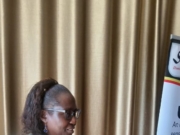

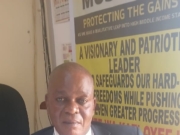


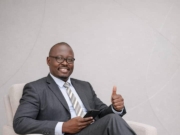

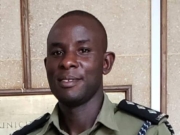

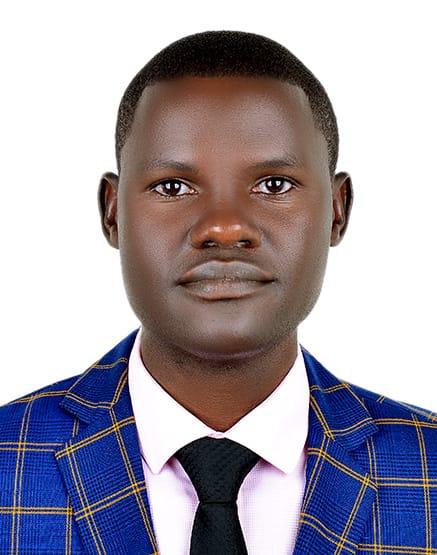
During the 17th May, 2026 Sunday service in Jinja Zone, Assistant Overseer (Mulabirizi) Andrew Mukisa of the Universal Apostles Fellowship of Righteousness Church (UAFCR) called on Ugandans to embrace righteousness, reiterating the uncompromised message repeatedly preached by the church’s Supreme Spiritual Leader, Prophet David Isanga, known as Nabbi Daudi.
Nabbi Daudi’s Uncompromised Stand.
Prophet David Isanga, a medical doctor-turned cleric, has made righteousness the non-negotiable center of his ministry. His emphasis has never shifted: without righteousness in personal life and public conduct, Uganda cannot find stability, justice, or lasting progress.
“His message is uncompromised it applies to everyone equally, whether you are a farmer in the village or a leader in Kampala. Righteousness is not optional. It is the only safe path for this life on earth”, Mukisa told the congregation at the Acacia based road in Jinja City.
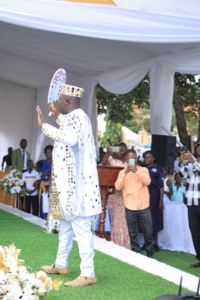
Nabbi Daudi has consistently taught that Uganda’s challenges like corruption, abuse of office, immorality, and violence,among others are ultimately moral and spiritual problems. Policies and security measures alone cannot fix a society that abandons God’s standards.
Church Discipline Reflects the Message.
Speaking boldly, Mukisa said UAFCR enforces that standard in practice and that anyone found in adultery, fornication, or other conduct contrary to Scripture is dismissed from fellowship, regardless of wealth or status.
“We do not treat God like a brother-in-law, you cannot claim to be close to Him while living in open defiance of His Word. Grace does not cancel accountability”, he said.
Righteousness Defined and Applied.
Mukisa explained righteousness as both right-standing with God and right-living with people. He drew from Acts 2:42-47 to show what that looks like in community:
Devotion to teaching by grounding decisions in biblical truth, not trends.
Fellowship through sharing burdens and resources in genuine partnership.
Breaking of bread in worship and meals that unite rich and poor and in prayer through dependence on God for strength and direction.
He challenged members with practical application: “If God has blessed you with clothes, food, and utensils in excess, share with those who have nothing. It is meaningless to throw away leftovers when others lack one meal a day.”
Nabbi Daudi on Legalism vs Righteousness.
Prophet David Isanga has repeatedly warned that religious rituals alone do not make a person right before God.
He says that praying every Sunday or Saturday, observing the five daily prayers, making pilgrimages to holy sites like Mecca, Vatican and Jerusalem, partaking of the sacraments, or wearing a rosary are outward acts.
On their own, he says they carry no moral weight with God if the heart and conduct remain unchanged.
His emphasis is direct: it is the pursuit of righteousness that makes a person good before God.
Nabbi Daudi argues that many people fall into legalism, strictly observing every regulation of the church or religious community while living in contradiction to those same standards in private and public life. They are the same people who steal, embezzle, rob, commit adultery and fornication, then return to places of worship presenting themselves as humble and pious.
He compares this to the biblical Pharisees whom Jesus rebuked them in Matthew 23 for being meticulous about external observance while neglecting justice, mercy, and faithfulness.
To Nabbi Daudi, the danger is the same today: a faith reduced to performance, where appearance replaces substance.
Why he makes the distinction: Righteousness addresses the heart, not just the habit. External acts can be done for show, status, or habit. Righteousness requires honesty, integrity, and a consistent life that matches what is confessed in worship.
Legalism breeds hypocrisy is when people focus only on rules, they can maintain the appearance of holiness while violating the very principles those rules were meant to protect.
On the other hand, righteousness has public consequences. Theft, corruption, and sexual immorality do not stay private, they erode trust, weaken institutions, and harm the vulnerable. Ritual without righteousness leaves those problems untouched.
How he frames it for believers:
Nabbi Daudi does not dismiss prayer, sacraments, or pilgrimage as worthless, his point is hierarchy: those practices are meant to form a person toward righteousness, not replace it. If after years of religious activity, a person is still dishonest in business, abusive in family, or corrupt in office, then the outward observance has not achieved its purpose.
The Ugandan Paradox and UAFCR’s Response.
Uganda is often described as one of the most prayerful nations in the world. Every village has a church or mosque, and in towns and cities, worship places line nearly every street. Many people hold all-night prayers and attend services from Sunday to Sunday.
Yet the country still grapples with high rates of crime, drunk driving and accidents, divorce, prostitution, infidelity, and corruption. Contracts are inflated, jobs and promotions are sold, and witchcraft remains widespread in many communities.
This is the contradiction Nabbi Daudi confronts head-on. His church does not tolerate a split life where religious activity coexists with public misconduct. The moment a member is found in persistent sin, they are dismissed from fellowship. For UAFCR, discipline is not cruelty — it is the only way to keep the message of righteousness credible.
Context of Gratitude and Mission.
Mukisa also thanked God for the peaceful environment that allowed President Gen (Rtd) Yoweri Kaguta Museveni’s swearing-in on 12th May 2026 to proceed despite threats. He urged Ugandans to value that stability as the space in which righteousness can take root.
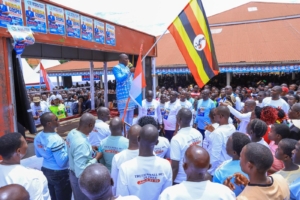
He announced the 14th June Mega Gospel Crusade in Luwero as the next step in spreading Nabbi Daudi’s message: “The goal is liberation from the bondage of sin through the truth lived out in righteousness.”
Why It Matters Now.
In a climate where corruption empties public services and immorality breaks families, Nabbi Daudi’s uncompromised emphasis is clear: laws and oaths only hold if people choose righteousness when no one is watching. Without it, institutions fail. With it, grace and mercy have a foundation to build on.
Conclusion.
Uganda must redefine what it means to be spiritually alive, it is no longer enough to sit in pews, sing polished hymns, and nod to theologically laced sermons that sound holy but leave hearts unchanged.
God is not pleased by performance, and neither is humanity when those same voices lead double lives. According to statistics, many of the thieves, corrupt officials, and morally bankrupt elements in public office are known as respected Christians and church leaders on Saturday and Sunday.
That contradiction is the hollow core of our religious culture, because if faith does not produce honesty in business, faithfulness in marriage, and accountability in office, then it is empty. The call now is simple: let worship break you, remake you, and send you out to live righteously on Monday. Until that happens, Uganda will remain a nation loud in prayer and weak in justice.
This message is landing at a moment when former Speaker of Parliament Rt. Hon. Annette Anita Among and her associates are the subject of widespread public discussion.
The conversation is playing out in towns, trading centers, bars, pork joints, taxis, buses, and among boda boda riders, after reports that large sums of cash in multiple currencies and items linked to witchcraft were recovered from her residence.
The same Speaker has previously appeared in public photographs beaming alongside the Pope, presenting a picture of piety. She is currently at the center of investigations into alleged abuse of office and corruption. As of now, she has not been formally charged in any court.