



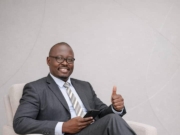





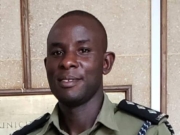
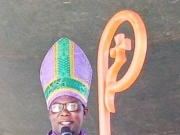
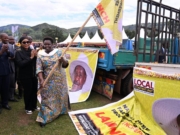

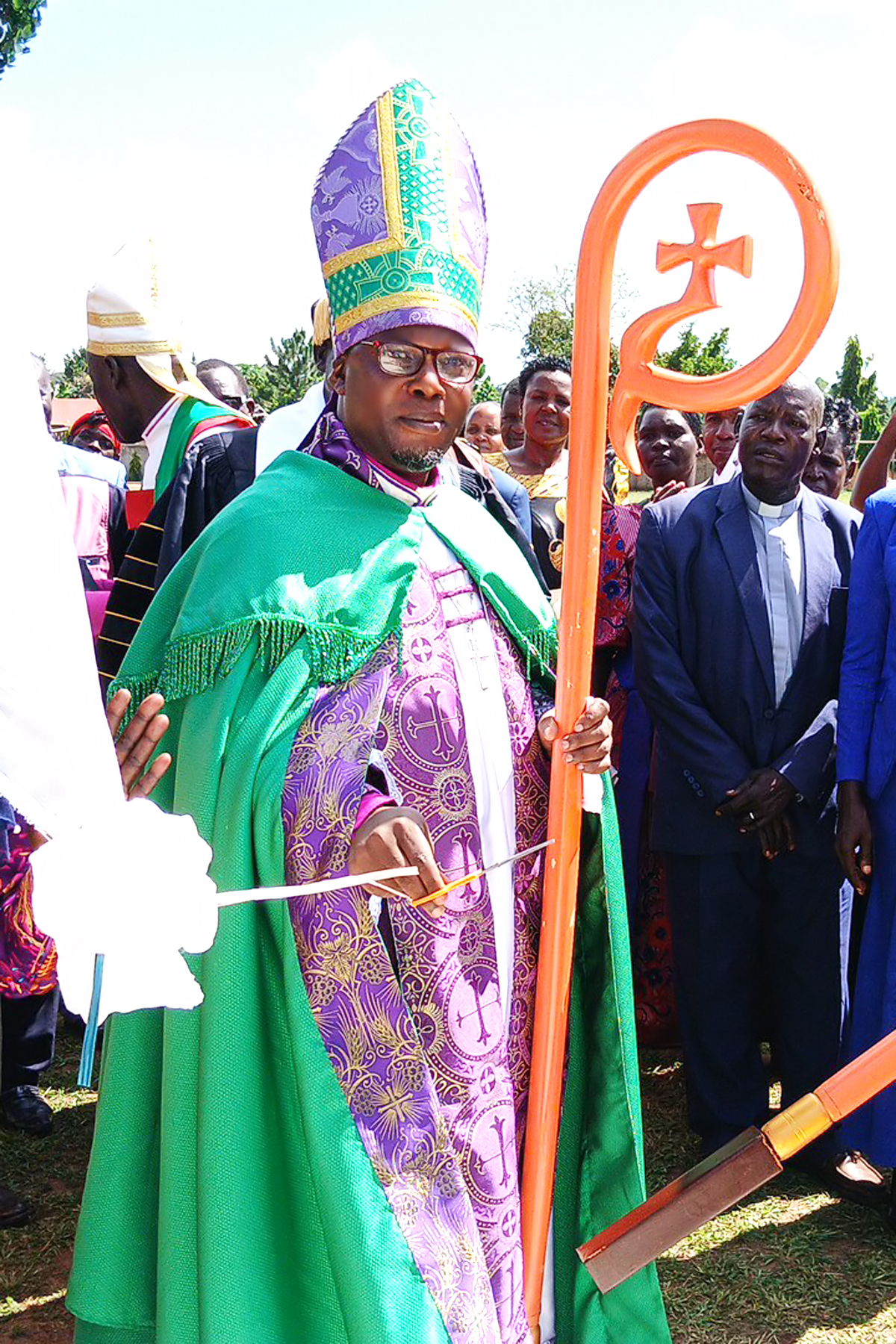
Archbishop‑elect Professor Mugume Bagambaki Richard the Ecclesiastical Episcopal Conference archbishop of the Upper City Covenant Churches, president of the Five‑Fold Episcopal World Federation and Chancellor of UCCSAT University, used the March 29th Palm Sunday mass to unfold the theological weight of Christ’s Jerusalem entry and press its relevance on Ugandan believers.
He said Palm Sunday commemorates Jesus’ triumphal approach to Jerusalem one week before His death and resurrection (Matt 21:1‑11), the start of Passion Week.
Travelling over the Mount of Olives—also called Mount Olivet or Jabal az‑Zaytūn, and known as the Mount of Corruption because Solomon built idol shrines there (1 Kings 11:7)—Jesus neared Golgotha, the “place of the skull” under the Church of the Holy Sepulchre, to secure salvation for the lost (Luke 19:10).
Prof Bagambaki recounted how Jesus sent disciples to Bethphage, still marked by a Franciscan chapel on Jerusalem’s eastern slope. They found the colt exactly as foretold; the owners accepted “The Lord needs it” (Luke 19:31‑34).
Why Palm Leaves?
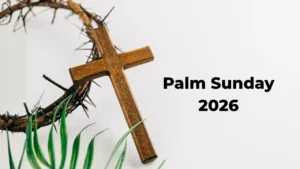
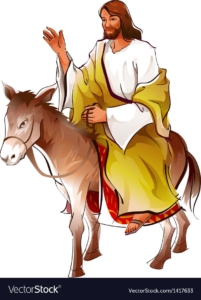
Palms became national symbols after Simon Maccabeus’ Judean revolt in the 160s BC, the very emblem later waved for Jesus. Christ’s choice of a colt—not a war horse—fulfilled Zechariah 9:9, projecting peace rather than revolt.
Zachariah 9:9: “Rejoice greatly, Daughter Zion! See, your king comes to you, righteous and victorious, lowly and riding on a donkey, on a colt, the foal of a donkey”.
Yet the same crowds who shouted “Hosanna” hailed a political liberator; days later, disappointed and goaded by authorities, they yelled “crucify” and chose Barabbas. “The lesson,” Bagambaki said, “is loyalty that outlasts unmet agendas.
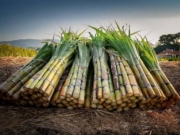
According to antiquity, palm branches were used by Jews to welcome Jesus as a triumphant king during his entry into Jerusalem, symbolizing victory, peace and national liberation.
Their botanical characteristics, featuring tall, sturdy fronds and parallel veins made them ideal for waving, while their cultural significance as symbols of victory over Roman occupation aligned with the hope for a messianic deliverer.
Palms have held an important role for humans throughout much of history. Many common products and foods come from palms. The palm branch was a symbol of triumph and victory in Roman times. Just like the people of Lango use oboke olwedo, the Romans rewarded champions of the games and celebrated success in war with palm branches. The palm has many meanings in both ancient and modern eastern religion.
According to Calvin Institute of Christian Worship attached to Calvin University, in ancient times the palm tree was associated with life and blessing. Found in desert oases, it was referred to as the tree of life.
The branch was used as a victory symbol at public games and in battles.
In the Old Testament palm fronds were carried in the festival of Booths (Leviticus 23:40) as well as used as a motif in the design of the temple (I Kings 6:29-35).
Palms also appeared in the funeral art of the catacombs, symbolizing Christ’s triumph over sin and death. This image depicts the joy and the sorrow of the moment-the paradox of Christ’s victory of life through humility and death
Palms appeared in the funeral art of the catacombs, symbolizing Christ’s triumph over sin and death. This image depicts the joy and the sorrow of the moment—the paradox of Christ’s victory of life through humility and death.
Who Was Simon Maccabeus?
Simon Maccabeus was a Jewish leader who, in the 160s BC, reclaimed Jerusalem and was welcomed with palms, fixing palms as victory symbols. A colt signaled humility and fulfillment of prophecy (Zech 9:9), contrasting war horses.
Palms, durable and fruitful, symbolized righteousness and joy (Ps 92:12)—flowers or other leaves would have lacked that political‑religious weight.
The Message
He told worshippers that Palm Sunday is more than waving palm branches,
it exposes the gulf between crowd‑pleasing messiahs and the Savior who wept over Jerusalem (Luke 19:41‑44) because the city “did not recognize the time of God’s coming.”
Yet the crowd mistook the moment for a political enthronement. Jesus wept over Jerusalem (Luke 19:41‑44) because the city missed the peace offered; days later, disappointed and stirred by authorities, the same voices chose Barabbas and shouted “crucify.”
To bring the sermon closer, he asked a very hard question: Do we celebrate Jesus only when he looks like a winning King?”
Prof Bagambaki drove the lesson home: wives abandon sick husbands, and vice versa, supporters cling to leaders only for material gain, and people prefer success to strugglers, a kind of fair‑weather loyalty that mirrors the Jerusalem crowd.
“Jesus saves souls, not parties or power,” he urged, calling Ugandans to loyalty that endures unmet expectations and walks the Golgotha Road, not just the palm‑strewn parade.
Archbishop Bagambaki told the worshippers that the crowd’s shift from “hosana” to “crucify” him mirrors everyday betrayals so common in Uganda and the world today and its that fickleness that Jesus wept over.
For Christians, Palm Sunday opens Holy Week by flipping expectations, here they cheer a king who rides a colt, not a tank or jet fighters, it is a dress rehearsal for Easter to celebrate the parade then walk the hard road to the cross, keeping loyalty when hosanas fade.
Against wars, greed, corruption and selfishness, Palm Sunday is the perfect art which says Jesus rejects the war-horse, the loot and the ‘me-first’ agenda.
Bagambaki told his congregation to wave palms but follow the donkey by building peace, sharing resources and staying loyal when there is nothing to gain.
As Easter nears, Prof Bagambaki warns Ugandans not to turn holy days into expensive parties awash in drink, casual sex, theft or worse.
“The cross is not a backdrop for excess, while some spend on self-indulgence, widows, orphans, people with disabilities, the sick, prisoners, refugees and the destitute are left in the cold”, he said.
The prelate calls on the nation to swap revelry for mercy, share food, visit the lonely, protect the vulnerable and follow the donkey-king whose victory was measured in sacrifice, not spectacle.