






















The rain came down hard the night Amina Nangobi arrived at a general hospital in Busoga, carried by her sister, a kitenge pulled tight around her shoulders. For days she had bled at home, silent, afraid of whispers. By the time midwives reached her, the question was not how the pregnancy ended. The question was whether she would survive.
Inside what staff call “Room Four” the post-abortion care unit nurses and midwives worked without judgment. Fluids to raise her blood pressure, antibiotics to fight infection, careful treatment to clear what remained after the loss. “Breathe with me,” one midwife told Amina. “We will keep you safe.”
That same spirit is what Hon Florence Mutyabule, the Senior Presidential Advisor (SPA) on Poverty Alleviation in Busoga, is demanding across every home, church, mosque and health center in the sub-region.
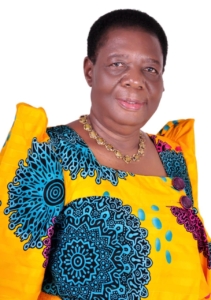
“Counseling adolescent mothers and young mothers should be the way to go, not condemnation or sweeping judgement or chasing them from home,” Mutyabule says. “When we shame them, we push them into silence. And silence in Busoga has cost us mothers. A girl who is judged will hide until she is dying. A girl who is counseled will come early, and early is what saves her.”
Without mentioning other names, Mrs. Mutyabule adds: “There are hundreds of thousands of women now very successful who encountered similar problems but were not turned away or condemned. They were given counseling, support and a chance. Today they are raising families, running businesses, and teaching other girls. Compassion, not condemnation, is what turned their story around. Amina’s story can be one of them.”
“This Room Has No Labels” -Dr. Aggrey Bameka’s View.
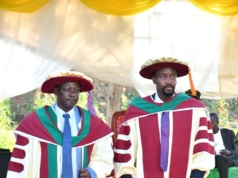
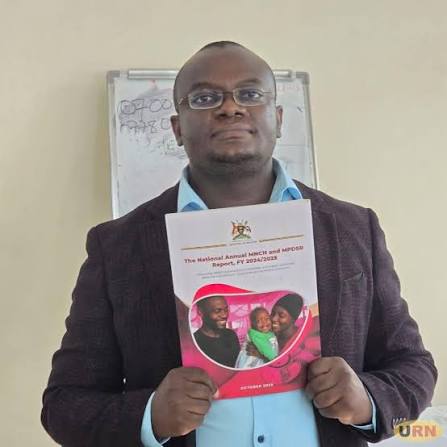
Dr. Aggrey Bameka, consultant gynecologist at Buwenge General Hospital and member of the Association of Obstetricians and Gynecologists of Uganda, puts it plainly. For him, post-abortion care is not about how religious someone is, or how powerful their parents are, or whether a young mother has lost her marriage. And it should not be kept out of public conversation.


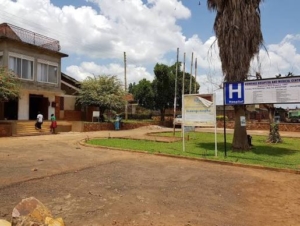
“Post-abortion care is not about how one is a serious believer or born again,” Dr. Bameka says. “It is not about how powerful and influential the parents are, and therefore should shun the girl or young mother who has lost her marriage. It should not be kept out of the public. When a woman is bleeding, the uterus does not ask if she is born again. It does not ask about status. It asks for care. Our duty as doctors is to answer that call before it is too late.”
He explains that hospitals regularly receive women with perforated uteruses, damaged intestines, severe infections, and dangerous bleeding — complications that come from waiting too long at home. Amina had waited, believing herbs would fix what fear would not let her name. Stigma, Dr. Bameka says, keeps many cases hidden until the emergency is critical.
The World Health Organization describes post-abortion care as lifesaving treatment for complications after any pregnancy loss, whether from miscarriage or unsafe procedures. The same skills and medicines used for a miscarriage are used here. “This is medicine,” Dr. Bameka says. “Not morals. Morals can be discussed later. First, we stop the bleeding.”
Amina’s Turn: From Patient to Protector.
Months after that rainy night, Amina walked back into the hospital on her own feet, holding her daughter’s hand. She had survived, healed, and chosen a new path. She joined the Village Health Team and now moves through her village with a simple message: bleeding is not normal, do not wait, Room Four will not judge you.
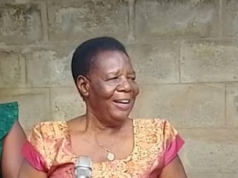
The midwife who treated her keeps a photo from that return visit. Amina is laughing, her daughter reaching for a stethoscope.
“That is why we do this work,” the midwife says. “Not for debate. For Amina to see her daughter grow, go to school, and one day choose her own path without fear.”
Amina now tells other young mothers what she wishes someone had told her: “Do not hide. Do not wait for shame to kill you. The nurses do not ask why. They ask how you are feeling.”
Skills Over Shame: The Path Out of Poverty.
For Hon Mutyabule, counseling is the first step, but skills are the lasting cure for the cycle of poverty that traps young mothers like Amina.
“Taking back these young mothers to school or vocational studies is the best because when mothers get skills, they as home managers take care of their families in better ways and improve on living standards and kick poverty out of households,” she says.
Amina is learning tailoring. With a skill and basic tools, she is moving from casual labor to managing household income. She buys medicine without borrowing. She plans to keep her daughter in school.
“A skilled mother is a manager, she plans meals, she saves, she decides when the next child comes. That decision is power, and power reduces the number of emergencies we see in Room Four, and Amina is proof”, she says.
Dr. Bameka agrees from the medical side. “When a woman has access to counseling and family planning after care, she is protected from repeating a crisis that nearly took her life. That is protection of life and fertility for the future she wants. That is what we gave Amina.”
Breaking the Myths That Keep Women at Home.
The myths around post-abortion care remain stubborn. Many believe only “bad girls” need help, yet hospital teams say most women seeking care are married mothers with children already at home. Others fear police will arrest them, but health workers are bound by confidentiality and the duty to treat first. Some still trust herbs to stop bleeding, a practice Dr. Bameka warns often ends in sepsis or loss of the uterus.
In Room Four, midwives repeat to every patient: “We do not ask why. We ask how you are feeling.” Studies of post-abortion care in African hospitals show many women receive no explanation and feel unable to ask questions. With Amina, that pattern was broken, one respectful conversation at a time.
The Second Chance Spreads Beyond Room Four.
In Busoga, Amina’s second chance is no longer confined to a hospital room. It is in the tailoring workshop where she learns to cut cloth, in the garden where she learns to plant and to plan, in the village meetings where she tells girls: “Come early. Do not wait for death.”
Hon Mutyabule believes Busoga is ready for that shift. “When we replace condemnation with counseling, and replace shame with skills, we do more than save mothers. We change the future of their children. That is how poverty loses its grip.”
And it begins with what Dr. Aggrey Bameka demands at the hospital door and what community leaders demand in every home: meet crisis with compassion first, not with labels, status, or silence. For Amina, that compassion meant life. For Busoga, it could mean a new story for every girl like her.
Conclusion.
Post-abortion care is a legal lifesaving medical treatment, counseling and support given to any woman after a pregnancy loss whether from miscarriage or complications to stop bleeding, treat infection, protect fertility and restore dignity as guided by the Ministry of Health and World Health Organization standards.
It is not about politics, religion or status, it is about a woman surviving and a family staying whole. For Busoga to move forward, every stakeholder must join hands with health workers, parents must choose compassion over silence, religious leaders must preach preservation of life before judgement.
Community leaders, including clan chiefs must break myths and encourage early care and families must take back young mothers like Amina to school and skills instead of shame.
When all of Busoga speaks with one voice, the voice of care first, Room Four will no longer be an emergency room. It will be a room of second chances and every girl who walks in will walk out with hope, health and a future she can build.
We Expose, You Decide.