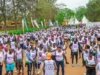










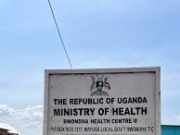
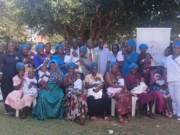
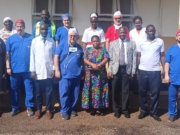





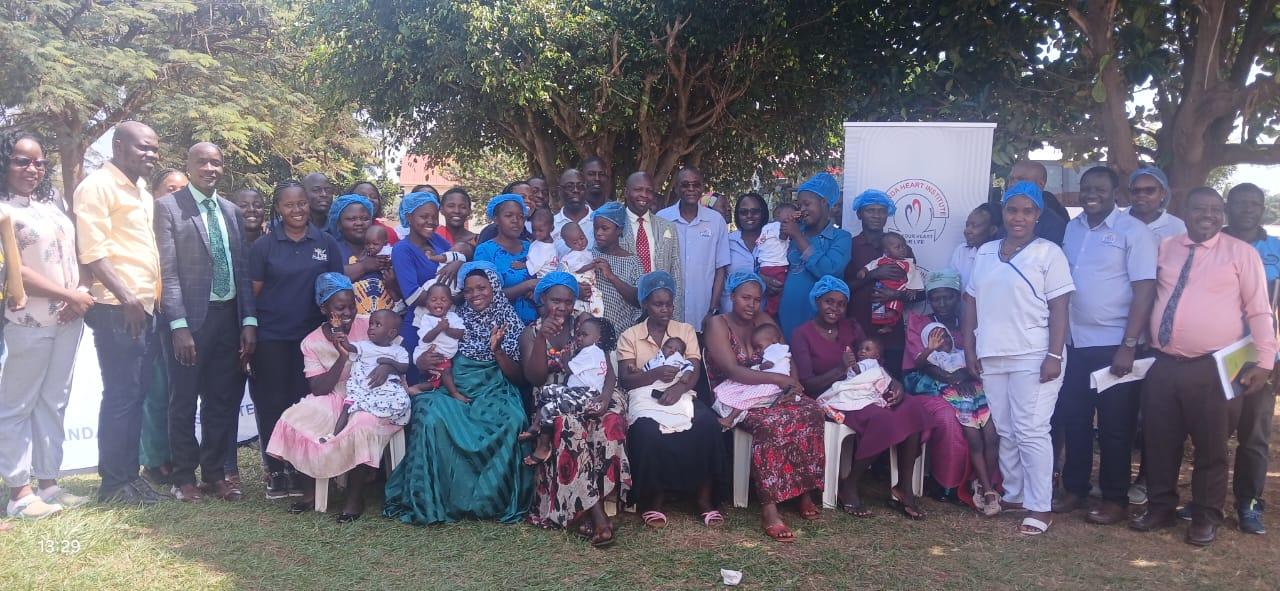
The Uganda Heart Institute (UHI)has concluded its largest regional closed-heart surgical camp to date at Jinja Regional Referral Hospital [JRRH], with 17 children receiving free Patent Ductus Arteriosus (PDA) surgery in one week.
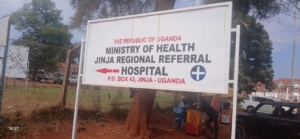
The camp ran from 28th June to 3rd July 2026 and was the third PDA camp held in Jinja and the eighth regional closed-heart camp conducted by UHI since the programme began in October 2023. Previous Jinja camps in June 2024 and May 2025 treated 8 and 12 children respectively.
UHI had targeted 21 patients, but some could not undergo surgery due to clinical and logistical reasons. Officials said the 17 operations are still the highest number ever performed during a single regional camp.
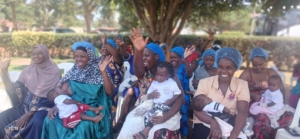
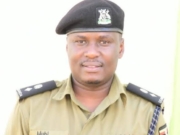
“This is a remarkable milestone in our journey to decentralize specialized heart care. Each camp continues to expand access to specialized cardiac care while strengthening regional health systems through skills transfer and multidisciplinary collaboration,” said Dr. Peter Lwabi, UHI Deputy Executive Director, who presided over the closing.
Dr. Lwabi noted that the rising numbers reflect growing awareness. “Communities are becoming more aware of congenital heart disease and parents are paying attention to their children’s heart health earlier. It also speaks to growing confidence in the quality of heart services available within the country.”
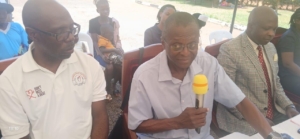
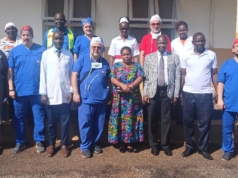
The surgical team was led by Dr. Michael Oketcho of UHI while Dr. Twalib Aliku of UHI was Team Leader, and Dr. Emmanuel Tenywa of JRRH served as the local cardiologist attached to the Nalufenya Children’s Section.
At the closing, mothers of the 17 children stood to thank Dr. Tenywa and the entire team of experts for supporting families through all three Jinja camps.
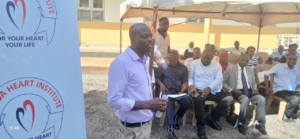

Earlier, JRRH Senior Executive Consultant Dr. Alfred Yayi told health workers and media that the aim was to bring specialized services closer to Busoga and to pass knowledge and skills to JRRH staff as part of preparing the hospital to host a Regional Heart Centre for Busoga.
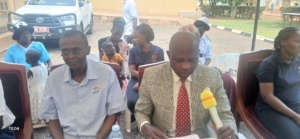
“Successful accomplishment of these heart operation camps at Jinja RRH demonstrates the possibility of decentralizing specialized heart and other services from Kampala to the regions so that these services are more accessible to the Ugandan population,” Dr. Yayi said.
Dr. Yayi, flanked by his deputy Dr. Afiza Kibuuka, commended Government through the Ministry of Health, now led by Dr. Chris Baryomunsi, for establishing facilities such as the intensive care unit and oxygen plant that now allow Jinja RRH to host such specialized services.
“We now intend to continue with these camps on an annual basis until Jinja RRH gets an established Regional Heart Centre for delivery of routine specialized cardiovascular care for the people in Busoga sub-region,” he pledged.
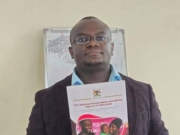
On his part, Dr. Oketcho said the increasing number of mothers entrusting them with their children was a vote of confidence in health experts and systems.
Dr Oketcho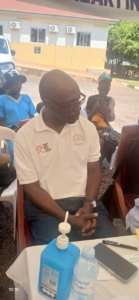
“It takes a lot of courage, trust, faith and confidence for anyone, particularly mothers, to hand over their children to us to operate,” he said.
Why ICU and Oxygen Plant Are Important.
According to health officials, the success of regional heart camps depends on two critical units: a functional oxygen plant and a cardiac ICU.
“You cannot do heart surgery safely without reliable oxygen and a place to recover. The oxygen plant supplies theatre and ICU 24 hours, while the ICU provides ventilator support and monitoring in the first 48 hours when complications are most likely,” a surgeon said.
For each camp, UHI and JRRH deploy a multidisciplinary team. The minimum required staff include: Cardiothoracic surgeon – leads the operation,
Cardiac anesthetist is an expert who manages anesthesia and life support during surgery.
Equally important is Pediatric/Adult cardiologist who diagnoses cases and guides treatment and a Perfusionist who runs the heart-lung machine for open-heart cases
Scrub and circulating theatre nurses who are trained in cardiac instruments and a
Biomedical engineer who ensures oxygen plant, monitors and ventilators are fully functioning.
“The team and the infrastructure must move together and that is why we only camp at hospitals with an oxygen plant and an ICU. Jinja RRH meets that standard and that is why we keep returning,” Dr. Lwabi said.
Treating PDA.
PDA (Patent Ductus Arteriosus) is a congenital defect where the ductus arteriosus fails to close after birth. The vessel normally bypasses the lungs in the womb and should close within days. When it remains open, oxygen-rich blood flows back to the lungs and strains the heart.
If left untreated, it can cause heart failure, poor growth, repeated chest infections, irreversible lung damage, and death.
“Through these free surgical interventions, we are giving children the opportunity to live healthy, productive lives and restoring hope to their families,” Dr. Lwabi said.
For this camp, surgeons used the closed-heart approach, tying off the duct through a small side chest incision without a heart-lung machine.
Risk Factors.
Health workers say congenital, genetic, and lifestyle factors all drive Uganda’s heart disease burden.
For PDA and other congenital defects, risk begins during pregnancy. The leading causes are prematurity and low birth weight, followed by maternal rubella infection (a viral illness that can cause birth defects if a pregnant woman is infected in the first trimester), poor antenatal care, poor maternal nutrition, and high-altitude births.
Genetic factors (inherited conditions or gene changes passed from parents) also play a role. These include a family history of congenital heart disease and genetic syndromes such as Down syndrome and Turner syndrome.
“Most of the children we operate on for PDA were born prematurely, but we also see cases linked to family history and genetic conditions, if the ductus does not close in the first days of life, it stays open and puts strain on the heart and lungs”, Dr Aliku said.
For adults, the burden is driven mainly by lifestyle diseases (illnesses linked to diet, physical inactivity, smoking, alcohol and other daily habits) and Non-Communicable Diseases (NCDs).
UHI data shows hypertension or high blood pressure, diabetes, rheumatic heart disease, smoking, alcohol use, obesity and physical inactivity are the top contributors.
Rheumatic heart disease remains common due to untreated strep throat (a bacterial throat infection) in children that damages heart valves if not treated with antibiotics.
Other system challenges include late diagnosis due to limited screening outside Kampala, poor access to hypertension and diabetes drugs, and poverty that limits follow-up care.
“We need better antenatal care, treatment of infections in children, and routine screening for blood pressure and diabetes in communities. Catching these NCD and genetic risk factors early reduces the number of people who end up needing surgery,” Dr. Lwabi said.
Shift to Catheter-Based Care.
Dr. Lwabi says the model of care will change once UHI’s new national facility is complete. He told journalists that construction of the 250-bed Uganda Heart Institute Hospital in Naguru is ongoing and is expected to be finished in 2027. The hospital will have two Catheterization Labs.

In catheter closure, a thin tube is threaded through a vein in the leg to the heart under live imaging. A device or coil is then delivered to block the PDA.
“No chest scar, no breastbone cut, often a one-night stay or the patient is able to walk back home the same day. This is the latest mode globally and with Naguru’s cath labs, many children will move from chest surgery to catheter closure. We will still do surgery, but the mix will change,” Dr. Lwabi said.
Building Regional Capacity.
Beyond camps, UHI is pushing for permanent regional heart centres. JRRH has already allocated land for a Busoga Regional Cardiac Centre, with similar plans underway in other regions.
“These investments will mentor health workers, improve referrals, and bring cardiac services closer to communities, the goal is to reduce the need for patients to travel long distances to Kampala”, he said.
At the national level, the Naguru hospital is expected to expand Uganda’s capacity for advanced cardiovascular care, training, research and innovation, and reduce costly referrals abroad.
Currently, many Ugandans who can afford it travel to India for valve surgery, bypass and complex congenital repairs. “The camp model has built skills and trust, but a permanent centre with catheter capacity is the next step,” Dr. Lwabi said.
The Wider Burden.
In Uganda, congenital defects like PDA are common in children, while rheumatic heart disease and hypertension-driven heart failure dominate in adults. Screening remains low outside Kampala, so many cases present late.
Across sub-Saharan Africa, cardiovascular disease is rising fast, but few countries have dedicated cardiac hospitals or catheterization labs.
Globally, cardiovascular disease remains the leading cause of death, with high-income countries scaling early screening and minimally invasive procedures.
UHI will mark World Heart Day on 29th September with campaigns focused on prevention and early screening for risks such as hypertension and diabetes.
Dr. Lwabi thanked Government, the Ministry of Health, the UHI Board, and JRRH leadership and staff for their support. He also acknowledged families for entrusting their children to the Institute. “We celebrate your courage and wish you a smooth recovery and many years of good health.”
Background: Uganda Heart Institute.
The Uganda Heart Institute is Uganda’s only national referral facility for heart diseases. Established in 1988 and mandated by the UHI Act of 2016, it operates as an autonomous body overseen by a Board of Directors.
UHI serves over 25,000 patients annually from Uganda and neighboring countries, with a team of more than 300 staff including cardiologists, cardiothoracic surgeons, anesthetists, critical care nurses and allied professionals.
The Institute offers a full range of cardiac services for children and adults: diagnostic, non-invasive and invasive procedures, intensive and coronary care, cardiac catheterization, and open-heart surgery.
Experts argue that with adequate funding, UHI can handle 95% of adult cases and 85% of pediatric cases, including valve repairs and coronary bypass. The Institute also trains cardiac super-specialists and conducts research to guide policy.
Editorial Conclusion.
The success of the Jinja camp reflects the dedication of the UHI and JRRH teams who delivered highly specialized, expensive cardiac care free of charge to some of Uganda’s most vulnerable children and families.
Their expertise, compassion, and willingness to take services closer to the people are saving lives that would otherwise be lost to distance and cost.
Government and development partners must sustain and scale this model. While support for general health services remains critical, deliberate investment in specialized care like cardiac surgery, ICU capacity, and catheterization labs is equally urgent.
At the same time, Ugandans must take ownership of their health by embracing regular medical check-ups for blood pressure, diabetes, and heart conditions, rather than waiting until illness forces a crisis response.
Prevention today, as we have always been advised, is far cheaper than surgery tomorrow.