


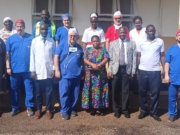
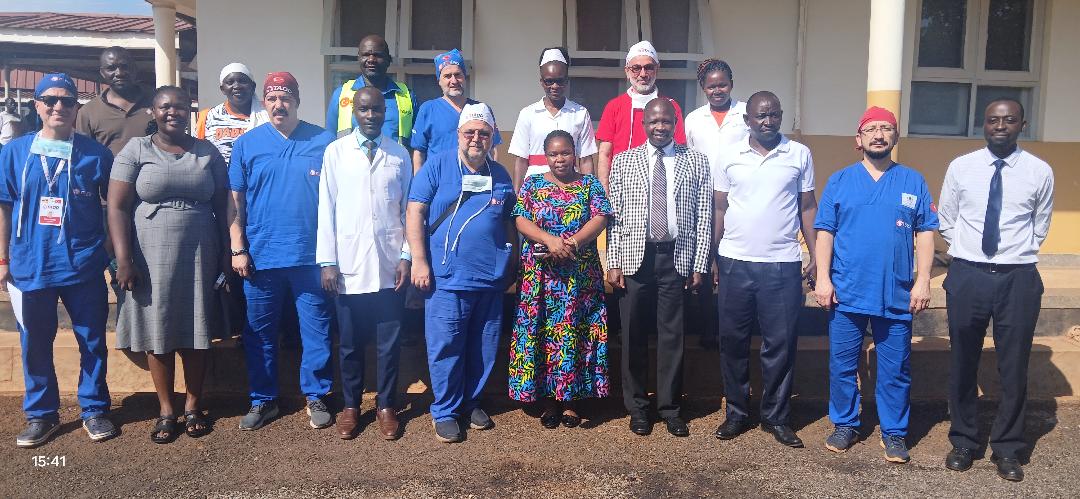
Jinja Turkish Surgical Camp 2026 At A Glance. “Please do not let this be the end of this beautiful partnership.”
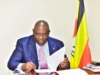
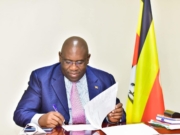
That was the central appeal from Hon. Milly Babalanda Babirye, Minister for the Presidency and Buyende Woman MP, at the close of Jinja Regional Referral Hospital’s 10-day free surgical camp. The address was read on her behalf by an aide Susan Kulaba Balungi.
Minister Babalanda conveyed warm greetings to the Turkish doctors, JRRH management, partners, healthcare professionals, religious and cultural leaders, and guests.
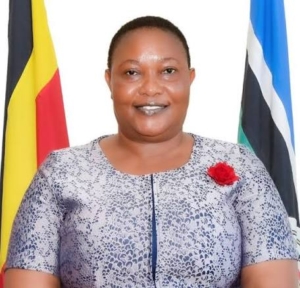
In a scripted speech, she also delivered special greetings from His Excellency President Yoweri Kaguta Museveni, “who appreciates the friendship, generosity, and humanitarian spirit demonstrated by our distinguished visitors from the Republic of Türkiye. His Excellency recognizes that your selfless service has brought hope, healing, and renewed dignity to many Ugandan families.”
Hon Babalanda extended “heartfelt appreciation to each member of the Turkish medical team for choosing Uganda among many African countries as the destination for this noble humanitarian mission.” The Minister thanked them for “sharing your knowledge, skills, and expertise with our healthcare professionals while providing life-changing surgeries free of charge to our people.”
“Through your dedication, many patients who had suffered for years have received treatment, regained their health, and been given a new opportunity to live productive lives. Your compassion has touched countless families, and your kindness will remain in their hearts for many years to come,” the Minister’s message read.
Minister Babalanda said she trusts the team “experienced the warmth, hospitality, and friendliness of our people and that you will always consider Uganda your second home.”
The Minister’s Request: Return to Buyende, Build Long-Term Ties.
Minister Babalanda made one “humble request”: that this should not be the end. “Uganda still has many communities in need of specialized medical services,” she said. She is “particularly inviting you to return for another surgical camp in Buyende District, where many patients are eagerly waiting for specialized care,” and asked the team to communicate with the Ministry in advance for arrangements.
Beyond camps, the Minister proposed long-term partnerships in medical education and professional development. She requested opportunities for “Ugandan medical students, intern doctors, residents, surgeons, nurses, and other healthcare professionals to visit Türkiye for specialized training, fellowships, internships, skills development, and knowledge exchange. Such programmes will greatly strengthen the capacity of Uganda’s healthcare workforce.”
She also appealed for support in modern medical equipment, surgical instruments, diagnostic machines, ICU equipment, theatre supplies, ambulances, and other essential resources.
Minister Babalanda asked the team to “become ambassadors for Uganda” upon return to Türkiye.
“Kindly share with your hospitals, universities, charitable organizations, foundations, humanitarian agencies, philanthropists, businesses, and development partners the healthcare needs that you have witnessed.” She welcomed partnerships in infrastructure, specialized camps, research, training, telemedicine, scholarships, and investment in healthcare.
The Minister also commended JRRH management and staff for “professionalism, commitment, and teamwork,” noting surgeons, physicians, nurses, anesthetists, theatre teams, laboratory personnel, pharmacists, administrators, cleaners, security personnel, and support staff. She extended appreciation to partners, volunteers, organizers, sponsors, interpreters, and local leaders.
“Healthcare is one of the greatest expressions of compassion and service to humanity,” Minister Babalanda said. “Every operation performed during this camp represents more than a medical procedure—it represents hope restored, pain relieved, dignity renewed, and a future made brighter for a family.”
She closed with gratitude “on behalf of the Government of Uganda” and said: “We look forward to welcoming you back to Uganda very soon, not only as partners but as members of our extended family.”
From Camp to Strategy: Dinner at Igar Plaza.
Minister Babalanda later joined the Turkish medical experts and their JRRH counterparts for dinner at Igar Plaza and Restaurant along Jinja Main Street.
The evening moved the conversation beyond the theatre. Minister Babalanda, who has “read the minds and understood her boss President Museveni,” used the occasion to urge more investors to come to Uganda, with a specific focus on Busoga and her Buyende District.
She noted Buyende’s position on the shores of Lake Kyoga, overlooking Lango and Teso on the other side, as a strategic location for health, tourism, and agro-industrial investment tied to improved medical services.
The dinner discussions centered on long-term strategic partnership stretching beyond surgical camps, including training exchanges, equipment supply, and joint health investments.
Jinja Hospital Leadership: SEC Dr Yayi Speaks.
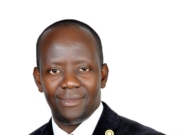
Dr Alfred Yayi, the Senior Executive Consultant of JRRH, said the camp reflects the hospital’s mandate to provide specialized and referral services to Busoga and neighboring districts. “By bringing specialists closer to the people and screening thousands for hypertension, diabetes and respiratory illness, we are living that mission,” he said.
Dr Yayi noted that no neurosurgeon was on the Turkish team, “which posed a big headache as some patients needed that expertise.” JRRH now has only one neurosurgeon, Dr Okwii Nixon, after Dr Ronald Mabubi who was a volunteer left for Rubaga Hospital.
He appealed for 3-4 neurosurgeons on the next mission and for specialist equipment “as small as a teaspoon or kitchen knife” that is “damn expensive” for Uganda.
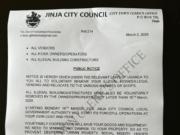
On mobilization, Dr Yayi said the turnout of over 2,000 was partly political and not focused, driven by former Jinja City Woman MP Hon. Manjeri Kyebakutika. It stretched staff “without lunch” and created risk amidst an Ebola scare. “Next time, mobilization should be specific for only patients who require surgery,” he said, with Hon. Kyebakutika in agreement.
Invoking Charles Dickens’ second novel, Dr Yayi closed with a plea: “As the poor orphan boy in Oliver Twist said, ‘Please sir, I want some more,’ colleagues from Turkey, please, we want more. Come again and again.”
Deputy SEC Dr Kibuuka: “This Is How Skills Are Sharpened”
Dr Afizi Kibuuka, Deputy Senior Executive Consultant, described the camp as a school for surgeons. “As a team of medical experts, we continue to pick several lessons from the annual camps which is now in its fifth term,” he said. He appealed to Dr Bilgehan Guntekin’s team for knowledge and technology transfer through exchange visits for JRRH doctors.
“It is not enough for one to earn a degree, through frequent and regular operations and engagements like these camps, we sharpen our skills and experiences. That is how expertise grows — in the theatre, case after case, side by side with masters of the craft”, Kibuuka said.
On his part, Dr Bilgenhan Guntekin said, as health professionals, their mission in Uganda and Africa is purely humanitarian and no hidden selfish agenda.
“We come here to serve humanity, it’s our core calling and we feel happy and proud to help secure the lives of people we might never meet again but by doing so we are also serving God”, the Turkish health expert with a staggering English language told the gathering.
Kyebakutika Commends Teams, Signals New Political Path.
Hon. Manjeri Kyebakutika, former Jinja City Woman MP, commended both the medical teams from Turkey and JRRH and pledged continued partnership to ensure that such expensive specialized services also reach ordinary Ugandans in Busoga.
She said leadership “is not necessarily about titles or positions but a call and duty for anyone who cares about humanity.”
It was not clear why Hon. Dr Timothy Lusala Batuwa, MP Jinja South West, and Hon. Sarah Lwansasalula, Jinja City Woman MP, did not grace the ceremony.
By notifying and inviting Minister Babalanda to feature in the ceremony, observers say Hon. Kyebakutika appears to be crafting new and stronger alliances in the ruling NRM party. Minister Babalanda is increasingly being seen as a strategic figure who can deliver her to her “much desired political Canaan.”
The Numbers and Clinical Gaps.
The 10-day camp delivered nearly 400 surgeries — about 100 major and 300 minor. There were 700 dental cases, with 300 undergoing procedures. More than 2,000 patients were screened for hypertension, diabetes, allergies, respiratory problems, hernias and others. Lab services, HIV testing and counselling, and Hepatitis B testing were also provided.
Dr Edwin Mugisha said plastic surgeons handled many keloid cases, some recurring. Keloids are raised, thick scars that grow beyond the original wound due to excess collagen, and they often recur without steroid or pressure therapy.
Dr Mugisha warned that some keloid cases are already “sliding into cancer”, referring to malignant transformation in long-standing, chronically inflamed scars.
Other cases included hernias, genital corrections, and obstetrics & gynecology procedures.
After reading the Minister’s address, Balungi reflected: “A scalpel in the hand of compassion does more than cut tissue. It cuts chains of pain and unlocks the future of a family. Health is not the absence of disease. Health is the presence of possibility.”
As the Turkish team departs, Minister Babalanda’s message is clear: the partnership must continue, deepen, and extend from Jinja to Buyende.
For every patient screened, every surgeon trained, and every family given new hope, the camp affirmed that healing happens when skills are shared, when partnerships endure, and when compassion picks up the scalpel.
The Exposure Uganda (TEU) Explainer.
What Is A Surgical Camp?
A surgical camp is a short-term, intensive medical outreach. Specialist doctors travel to a regional hospital or community for several days to perform free or low-cost surgeries and health screenings for patients who cannot easily access specialist care.
How it Works.
Mobilization usually done by local leaders and the hospital invite patients with conditions like hernias, keloids, dental problems, or Obstetrics and Gynecology (OBGYN) cases.
Screening: Patients are tested for blood pressure, diabetes, HIV, Hepatitis B, and surgical fitness before being booked.
Theatre Days: Visiting specialists and local staff operate for long hours.
Training: Local doctors, nurses, and interns assist in theatre to build skills “case after case.”
Follow-up: Patients receive drugs, review dates, and referrals for complex cases.
Why They Matter.
Clear Backlogs: Brings expensive specialist surgery closer to rural and low-income patients.
Early Detection: Screens thousands for NCDs like hypertension and diabetes.
Capacity Building: Local staff learn new techniques from visiting experts.
Partnership Gateway: Camps often lead to long-term ties: equipment, training exchanges, and district missions.
The Challenge. Camps are not a substitute for permanent specialist units. JRRH’s 2026 camp exposed gaps: only 1 neurosurgeon, costly specialist tools, and staff fatigue from mass mobilization and screening.
In summary, a surgical camp is a humanitarian “blitz”, treating many patients quickly, while showing what long-term investment is still needed.