


When the United States Agency for International Development suspended its support to Uganda in January 2025, the shockwaves were felt immediately in hospital wards, village homes, and clinics across the country. For thousands of people living with HIV, the lifeline they had depended on for years was suddenly cut.
What USAID Was Doing and How Much Was Lost.
For more than two decades, USAID was one of the biggest funders of Uganda’s health and HIV response. Through PEPFAR and other health programs, USAID was bankrolling the testing, treatment, and prevention services that kept millions alive.
In Uganda alone, U.S. government health assistance averaged over $400 million per year, with the majority going to HIV treatment, ARV procurement, laboratory services, health worker support, and community outreach.
Nationally, USAID supported the supply of life-saving ARVs, paid for viral load testing, funded community health workers to do door-to-door follow-ups, and provided transport and fuel for health teams to reach rural patients.
Across the world, the cuts were even steeper. Global development assistance fell by 23% in 2025, the sharpest drop ever recorded. International financing for HIV dropped from $8.8 billion in 2024 to $7.3 billion in 2025, the lowest in nearly 20 years. In many African countries, including Uganda, more than 90% of the HIV response depended on that aid.
When that money stopped, clinics ran out of fuel, community workers were sent home, and patients were left to find their own way to hospitals.
The Devastation On The Ground.
The impact was swift and painful. Anti-retroviral medicines became harder to access. Routine medical check-ups stopped.
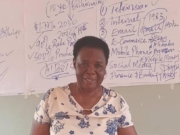
“As health workers, we could not track our patients through door-to-door follow-ups as we lacked transport to the various communities,” said Amina Nalunkuuma, a medical social worker attached to Jinja Regional Referral Hospital’s Nalufenya Children’s Ward.
She says many patients simply disappeared after USAID pulled out. “They stopped taking their ARVs which ultimately put their lives in danger.”
Uganda’s experience mirrors what is happening across the global south. In poor countries where governments cannot fully fund treatment, testing, and prevention, the withdrawal of donor money meant systems buckled. Families lost psychosocial support. Children missed adherence counseling. Stigma returned, and with it, silence.
In 2021, Uganda still carried a heavy HIV burden. An estimated 1.4 million people were living with HIV, around 54,000 people acquired new infections, and about 17,000 lives were lost to AIDS-related illnesses. Progress had been made, but many families were still battling poverty, stigma, interrupted education, poor nutrition and emotional pain.
FCBU: Bridging the Gap With Faith And Action.
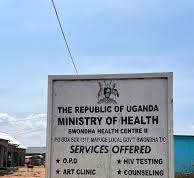
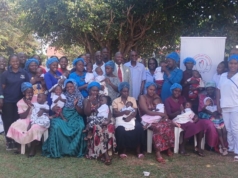
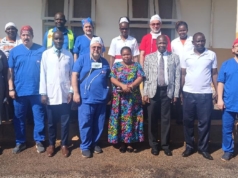
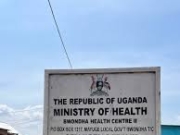
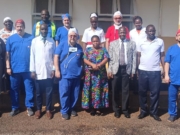
Into that gap stepped the Fellowship of Christian Believers Uganda. Working in partnership with Jinja Regional Referral Hospital, FCBU began facilitating the movement of health workers to affected communities and deployed volunteer health workers to support overwhelmed clinics.
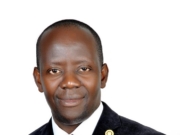
According to David Muwumuza, FCBU Country Director, the intervention was never just about statistics. “As FCBU, we did not begin supporting people living with HIV simply because of the statistics. We began because behind every statistic is a human life — a mother praying to see her children grow, a father struggling to provide, a young person longing for acceptance, and a child who deserves the opportunity to dream,” he said.
Muwumuza notes that FCBU’s response was born from the love of Christ and a belief that every human being is created in the image of God and deserves dignity, compassion and hope.
“We therefore felt called not merely to treat disease, but to walk alongside people, to listen, encourage, pray, educate, support treatment adherence, provide psychosocial and spiritual care, assist vulnerable children and adolescents, visit families, and restore hope where it had been lost,” he said.
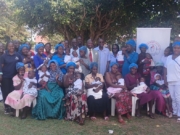
The partnership has already yielded results. Up to 500 children under the age of 19 living with HIV have been enrolled for treatment and other forms of support. Health workers report significant improvement in adherence and a remarkable decline in new infections.
“We are not here to replace the Government of Uganda or our health partners. We are here to stand with them, complement their efforts, and reach hearts as well as homes,” Muwumuza added. “Our vision is that no person living with HIV should ever feel abandoned or defined by their diagnosis.”
Beyond Medicine: Restoring Dignity.
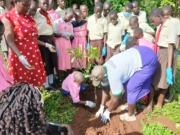
FCBU’s work extends beyond the clinic. Some children are being enrolled for vocational training in mechanics, hairdressing, carpentry, sewing, soap making and weaving, to help them start income-generating activities and become self-reliant.
With agricultural experts, the organization is also encouraging poultry keeping and has procured a hatchery machine for the community. In collaboration with Jinja hospital, FCBU supports people with life-threatening illnesses like cancer and other chronic diseases, and extends aid to the elderly.
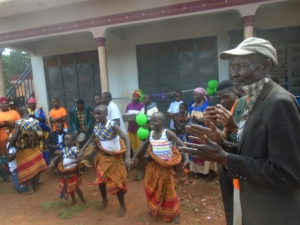
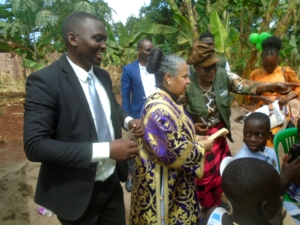
Residents say the difference is visible. Beatrice Babirye of Butiki village says the area has witnessed remarkable improvement in hygiene and sanitation since FCBU started. Nalongo Salma Babirye of Bufuula is grateful that her children are now accessing education through the organization’s support.
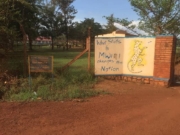
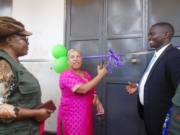
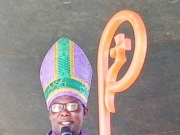
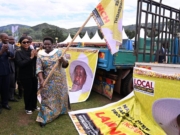
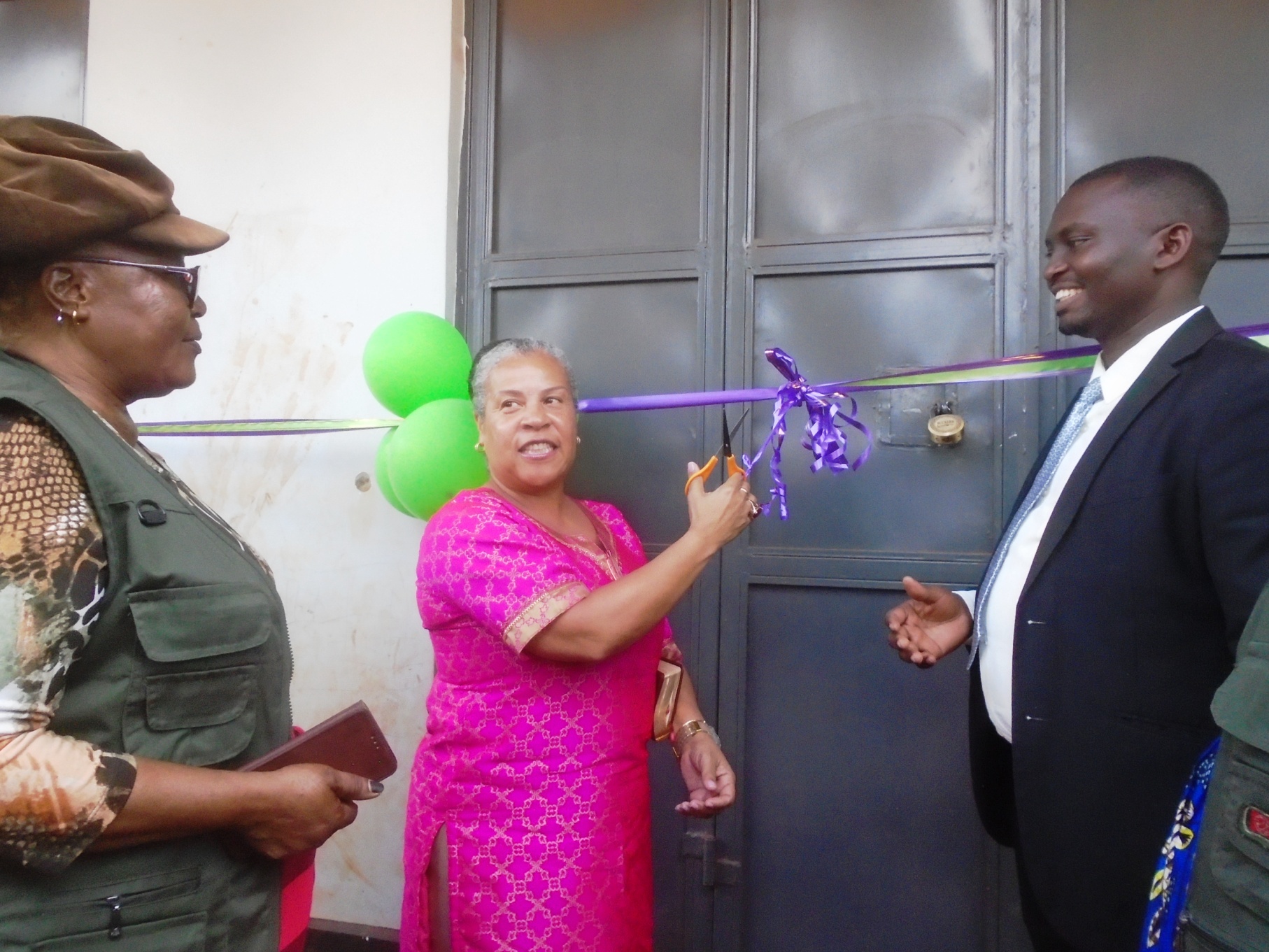
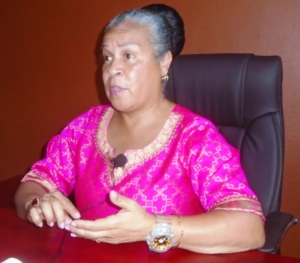
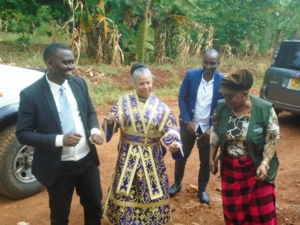
Bishop Yolanda Osborn Kohn, CEO of FCBU and head of Fellowship of Christian Believers International, who opened the new FCBU offices in Butiki, Jinja, said the center will serve as the headquarters for all FCBU branches in Africa because of Uganda’s central location.
“Our goal is to preach the gospel in action, not merely talking about it,” she said. “The organization serves all people without any form of discrimination.”
The Urgent Need For Continued Support.
Health workers and community leaders warn that while organizations like FCBU are filling critical gaps, they cannot replace a fully funded national and global HIV response.
The USAID suspension revealed how fragile progress is in countries where health systems rely heavily on donor funding. With global HIV financing now at its lowest in 20 years, experts fear a resurgence of infections, treatment interruptions, and more deaths if support is not restored.
“If our work changes even one life, restores one family, or gives one child hope for tomorrow, then we believe we are fulfilling God’s calling,” Muwumuza said. “At FCBU, we see people before we see disease, and hope before we see despair.”
As Uganda and other affected nations navigate this new reality, the call is clear: the fight against HIV is not over. It requires renewed commitment from governments, donors, faith groups, and communities to ensure that no patient is left behind.
We Expose, You Decide.