












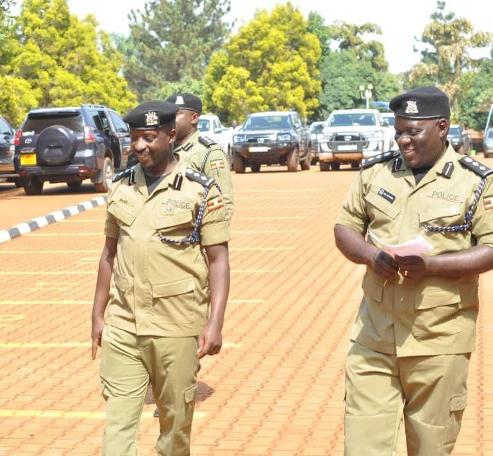
Kiira Regional Police Command has partnered with First African Bicycle Information Organization (FABIO), a Jinja City based non-profit entity that has since 1997 been using bicycles as a sustainable tool of social transformation to fight poverty in Uganda, to establish Village and City Peace Advocates aimed at promoting peace education, respectful dialogue, tolerance, non-violence and reconciliation at grassroots level.
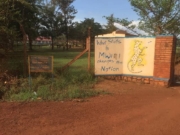
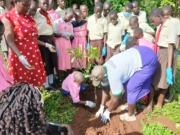
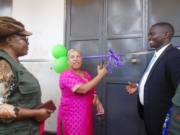
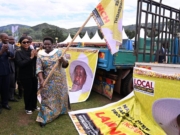
The initiative was launched on Tuesday, September 30, 2026 during a community policing program held at Buwala Village, Butagaya Sub County, Jinja District.
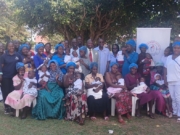
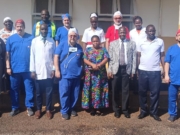
According to a press release issued by the Kiira Region Police mouthpiece, SP James Mubi, the engagement brought together local government officials, religious leaders, cultural leaders, ghetto youth leaders, security leaders and local residents who unanimously appreciated the community-based approach to enhancing social cohesion and national development.
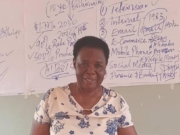
SP Mubi said the team led by FABIO Team Leader Joy Kawanguzi together with the Kiira Regional Police Command headed by Regional Police Commander SSP Charles Nsaba has extensively rolled out the advocates to serve as mediation agents who will reduce hostility between security forces and communities and support the socio-economic transformation agenda of Vision 2040 that seeks to ensure all households in subsistence economy join the money economy.
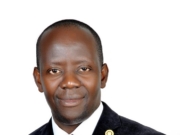
Representing the RPC, the Deputy RPC SSP Christopher Katumba said Jinja District covering Buwenge Town Council, Butagaya Sub County, Namagera Town Council, Kagoma Town Council and Kakira Town Council experiences waves of radical youth especially during every cycle of general elections who tend to undermine local leadership, public order and development.
He noted that going ahead to address the root causes of crimes will go a long way in ensuring sustainable public safety, security and development.
The LC3 Chairperson of Butagaya Sub County, Atanansi Waiswa, warmly welcomed the initiative saying it will be of great benefit to residents as far as educating them against diversion of public resources like the Parish Development Model is concerned.
The Ghetto Youths Chairperson for Jinja District commonly known as Marick commended the idea as timely following leadership conflicts in the district, adding that communities must rebuild relationships after conflicts for instance the LC1 general elections that left two people dead in Buwenge Town Council reportedly fueled by confusion over local leadership.
SP Mubi further revealed that Kiira Regional Police Command has vigorously fought the wave of panga-weilding boys locally referred to as Bijambiya gangs in Butagaya Sub County, Bugembe, Mafubira, Buwenge Town Council and other areas.
Through intelligence led operations, inter agency patrols and enhanced community policing that tackles justice needs in communities, murder cases have significantly reduced, motorcycle theft suspects are being arrested, defilement cases are being handled and misinformation and disinformation on social media is being fought head on.
The Village and City Peace Advocates will be drawn from trusted community members including elders, women leaders, youth leaders, boda boda riders and religious leaders. They will work closely with police community liaison officers and local councils and the program will be rolled out to other sub counties in the region in the coming months.
TEU Explainer: Understanding Radicalization and What Triggers Insecurity from Household to Community.
In security terms, radicalization is the gradual process through which an individual or group adopts increasingly extreme political, social or religious beliefs that reject dialogue and justify intimidation, violence or lawlessness as a means of achieving their goals.
It does not happen overnight but builds over time when grievances, political manipulation, misinformation and feelings of exclusion push ordinary discontent into extremism.
In Kiira Region, police observe that this pattern often intensifies during general election cycles when unemployed and disillusioned youth are mobilized and later drift into criminal gangs.
Insecurity itself rarely starts in the streets but in the home. At household level, triggers include domestic violence and child neglect which normalize violence, poverty and failure to meet basic needs which drive survival crime, breakdown of parental guidance that leaves children to be raised by peers and social media, alcohol and drug abuse, and land and family property disputes.
At community level these pressures widen into youth unemployment and idleness which becomes a recruitment ground for gangs, misinformation and disinformation on social media which fuels hate and political tension, politicization of every community matter, diversion of public resources such as the Parish Development Model which breeds resentment and loss of trust, weak local mediation systems which allow small disagreements over land, debt or relationships to escalate into assault and murder, as well as drug abuse, ghetto criminality and leadership conflicts including contested LC elections.
When not addressed early, these early cracks graduate into motorcycle theft, defilement, Bijambiya attacks and murder.