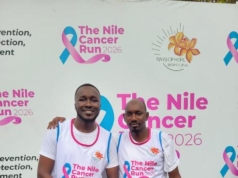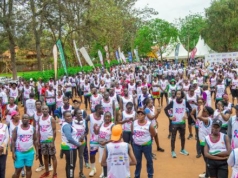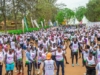









All roads in Jinja Town will on Sunday, 20th September 2026 lead to Rock Yard Sports Bar as the city hosts the Pharmaceutical Society of Uganda Annual Sickle Cell Run, a 5km awareness run that puts Busoga’s silent health crisis at the center of national attention.
The route will start and finish at Rock Yard Sports Bar, taking runners along Main Street Road, turning onto Radio Road in mid-town by the River Nile, then onto Nile Avenue past Jinja Central Market and then the City Council and City Hall, before looping back to Rock Yard.
Organized under the theme Run for Awareness, Run for a Healthier Future, the run aims to raise more than 60,000 doses of Hydroxyurea.
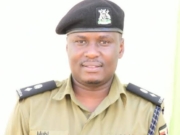
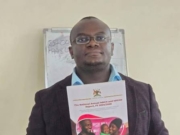
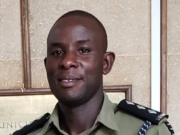
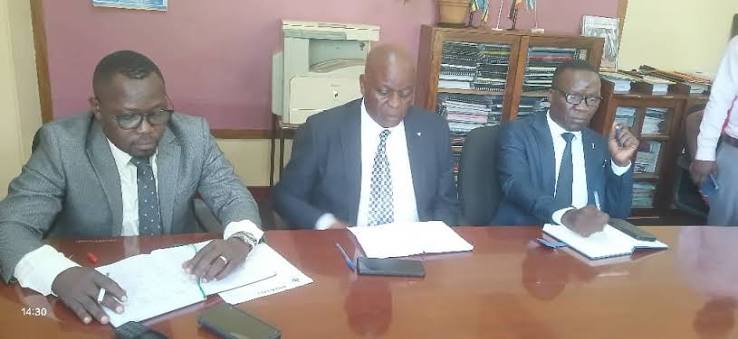
According to Dr Mukisa Charles David, who is attached to City Hall as the Jinja City Pharmacist and is the immediate past Chair of Jinja Regional Referral Hospital Management Board and is the contact person for the Jinja leg on 0782 106 165, the proceeds in cash and kind from the run will be donated to the regional hospital to support patients who cannot afford treatment.
As Jinja runs on Sunday, Lango is also lacing up. Lira City will host the 3rd Annual Uhuru Sickle Cell Run on 3rd October 2026 under the theme Run for Life, Run for Hope, Run Against Sickle Cell Disease.
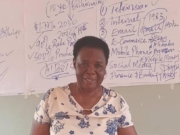
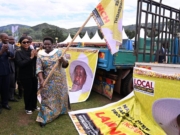
The run is organized by Roy Odur, a Lango man who has been at the centre of sensitization campaigns for years and has become a household name in sickle cell advocacy across Northern Uganda.
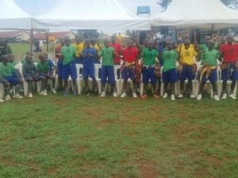
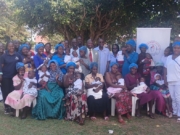
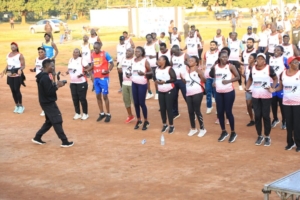 Courtesy Photo from Lira.
The Uhuru Run shows that the fight against sickle cell is no longer a Busoga story alone. It is a national movement. From Rock Yard Sports Bar in Jinja on 20th September to the streets of Lira City on 3rd October, Ugandans are running for the same reason, to ensure every couple knows their status before marriage and every newborn is screened early.
Dr Mukisa says Dei BioPharma is one of the key partners who have donated heavily toward the cause.
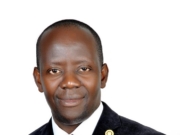
Dei BioPharma is a prominent indigenous biotechnology and pharmaceutical research firm led by its Founder and Chief Executive Officer Dr Matthias Magoola. It is described as a flagship state of the art 1 billion US dollars drugs and vaccines manufacturing plant designed to produce oncology drugs, insulin and up to 1 billion doses of mRNA vaccines annually.
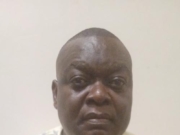
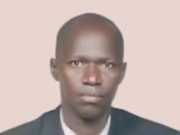
 Dr. Matthias Magoola.
It is located in Matugga, Wakiso District, one of the largest in Africa, aimed at enhancing healthcare self-sufficiency across the continent.
What is Sickle Cell and why call it so.
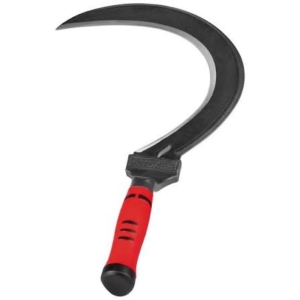
Sickle cell is the world’s most common inherited blood disorder. Inside red blood cells are hemoglobin that carries oxygen. In sickle cell disease a change in the hemoglobin gene makes the protein sticky. When oxygen is low normal round soft cells turn into stiff sticky cells shaped like the farming tool called a sickle.
In Busoga a sickle is called najoolo while in Lango its ajoolo or nyanjoolo in some other tribes. That is why it is called sickle cell. These cells clog tiny blood vessels and break down easily, causing severe pain crises, anemia, infections, stroke and organ damage.
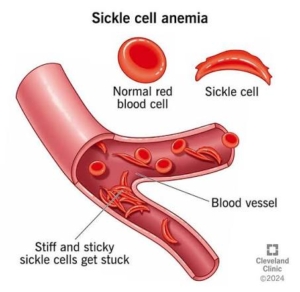
If a person inherits one sickle gene, they have trait and are usually healthy carriers. If they inherit two genes, they have disease.
Full regional breakdown verified.
Data from the 2024 sickle cell disease survey and the Uganda Sickle Surveillance Study show varying prevalence. East Central Uganda covering Busoga, Bugweri, Bukedi and parts of Teso is leading at 1.5% disease prevalence.
Mid North covering Acholi and Lango recorded 1.3%. Mid-Eastern recorded 1.2%. North East recorded 1%. Central Uganda recorded 0.8% and Kampala 0.7%. Mid-Western and West Nile recorded 0.5% while South Western recorded 0.2%. The national disease prevalence is 0.7%.
For trait, the national prevalence is 13.3%, meaning roughly 1 in 7 Ugandans carries the gene. Eight districts have trait above 20%. East Central recorded 19.8% in the surveillance study.
The screening conducted between May 18 and June 18 2026 among 10,000 people in Busoga found 23% carry the sickle cell trait, significantly higher than Uganda’s national average of 13% to 15%. The Ministry of Health says this identifies Busoga as the region with the highest trait prevalence in Uganda. Between 6 million and 7 million Ugandans carry the trait nationally.
Uganda records about 20,000 babies born with sickle cell disease every year. The Ministry of Health estimates between 6,000 and 9,000 die before their fifth birthday, contributing to 16% of under-five mortality. Some reports put mortality up to 80% where diagnosis is delayed.
Why Busoga is highest.
Busoga is low lying, humid and on Lake Victoria with intense year-round malaria. Carrying one sickle gene protects against dying from severe malaria. Over centuries carriers survived better and passed the gene on. This is combined with historically high intra-regional marriage which concentrated the gene. Many people also do not know their genotype. Until February 2026 Uganda had no routine newborn screening.
What is being done.
The government launched the National Sickle Cell Control Programme in 2014 and the first National Guidelines for the Management of Sickle Cell Disease in 2024. In February 2026 the Ministry made newborn screening mandatory in all government facilities, with National Medical Stores supplying free rapid test kits from February 2026 and Hydroxyurea added to the essential medicines list. In June 2026 the Ministry in partnership with the Joint Clinical Research Centre launched the Imara Framework.
What should Couples do if they discover status later.
Many couples only learn their genotype after marriage or after a child falls sick. If one of you has trait and the other is normal there is no risk of having a child with disease. All your children will be healthy though some may be carriers.
If both of you have trait each pregnancy carries a 25% chance of a child with disease. Go together to the sickle cell clinic at Jinja Regional Referral Hospital for counselling. Start early antenatal care and test the baby early after birth. Babies diagnosed early survive far better.
For a child with disease ensure all vaccinations, daily folic acid, penicillin for children under 5 years as prescribed, sleep under a treated mosquito net, give plenty of water and fluids and go to hospital immediately when fever, pain, paleness or swelling occurs.
Sickle cell is not witchcraft and is not caused by unfaithfulness. It is inherited.
What about people intending to marry.
For those still courting or planning a Kwanjula(kwandhula), before you pay bride price both of you should go for hemoglobin electrophoresis. It is available at Jinja Regional Referral Hospital.
If both are normal continue. If one is normal and one is a carrier you can marry, no child will have disease. If both are carriers seek counselling before the wedding.
A carrier looks completely normal. Do not rely on clan or tribe. Trait is in every tribe in Uganda. The only proof is a laboratory test.
Prospective couples focus only on HIV Test.
Not only in Jinja but everywhere in Uganda prospective couples focus only on HIV test and forget sickle cell. Every church, mosque and family asks have you tested for HIV. Nobody asks have you tested for sickle cell trait.
This is because people fear HIV more or know a lot about HIV as the only threat, possibly because of multi-pronged sensitization approaches done over years with heavy investments from government and partners. Sickle cell has never had that level of investment.
HIV is an infection you can prevent and treat. Sickle cell is inherited for life and passed to children forever. A couple that is HIV negative can still give birth to a child with sickle cell disease if both are carriers.
Stakeholders now want government to do the same for sickle cell. They want heavy investment in sensitization, newborn screening and inclusion of sickle cell counselling in all premarital counselling programmes.
Just as Uganda fought HIV through open talk, it can fight sickle cell through open testing. For prospective couples the new standard should be two tests not one.
Latest Research gives Hope.
For years parents were told sickle cell has no cure except bone marrow transplant. That story changed between 2023 and 2026.
The biggest news is the RUBY trial published in the New England Journal of Medicine on April 1 2026. 28 patients with severe sickle cell were treated with renizgamglogene autogedtemcel, reni-cel, a CRISPR-Cas12a therapy that edits HBG1 and HBG2 promoters to switch fetal hemoglobin back on.
27 out of 28 patients, 96%, had zero painful crises for up to 2 years. Average hemoglobin rose from 9.8 to 13.8 g per dL, close to normal. Fetal hemoglobin averaged 48.1% and cells containing fetal hemoglobin exceeded 90%.
The first CRISPR drug Casgevy, exa-cel, was approved in the United States and United Kingdom in 2023. Long term data in 2025 shows 96% remained crisis free at 1 year and 93% at 2 years after a single infusion.
In Uganda the most important study in 2026 came from Mbale Clinical Research Institute. A review of 39 studies found 20 mg per kg per day as the best reference dose for Hydroxyurea for Africans.
At St Jude and Northwestern University, scientists in 2025 discovered a cheaper way to switch fetal hemoglobin on by targeting enhancer RNA, which could make a future affordable therapy for Africa.
A functional cure is now scientifically possible, but it still costs over 2.2 million US dollars per patient and needs chemotherapy. For Busoga today the affordable lifesaving tools remain testing both partners before marriage, testing newborns early, full vaccination, sleeping under a net, and Hydroxyurea where prescribed.
That is why running 5km on Sunday matters, because it brings the medicine that keeps children alive today while science finishes the cure for tomorrow.