











For several weeks, short videos have circulated on TikTok, Facebook and in a few undisciplined radio talk shows accusing the Universal Apostles Fellowship Church of Righteousness (UAFCR) of sexual immorality, torture, forced separation of couples and financial extortion.
The most sensational version claims Prophet David Isanga, known as Nabbi Daudi or Prophet Daudi, forces members to sell their property to buy plots in heaven. When subjected to independent analysis and basic verification, the entire campaign collapses under its own contradictions.
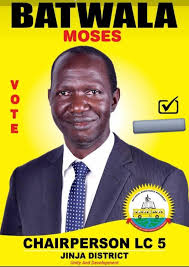
Yet UAFCR is not alone. Apart from this church, even other churches and political leaders have not been spared. From Catholic priests to Pentecostal pastors, from district chairpersons to Members of Parliament, the same model is being used. A TikTok clip is made, a prominent name is attached, adultery or money is added to make it sell, and then it is pushed for views.
This is no longer just gossip. It is a blackmail economy, and it must be analyzed for what it is.
The Paradox that defeats the accusation against UAFCR.
The first test of any allegation is internal consistency. Does the accusation match the known character and disciplinary record of the institution? In the case of UAFCR, it does the opposite.
UAFCR’s catchword has always been righteousness. Its paramount leader Prophet Daudi has preached uncompromisingly against adultery, fornication, theft and greed for decades. This teaching is public, recorded and consistent across all its branches.
On record, UAFCR is one of the strictest churches in Uganda on matters of sexual purity. Leaders and members found in adultery or fornication are suspended or dismissed, regardless of rank, years of service or financial contribution. A church that punishes sexual sin so severely cannot logically be accused of promoting the same sin. The allegation contradicts itself and fails the logic test.
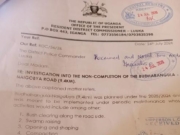
The torture claim fails the same test of evidence. UAFCR is a registered religious organization that operates openly across Busoga and beyond. Its documented tools of correction are counselling, prayer, fasting and the Word of God. If systematic torture existed as alleged, there would be police medical reports, P3 forms, hospital records and criminal case files. Police in Kiira Region confirm there are none. No medical form, no file, no conviction.
The claim about forcing couples to separate also shows the opposite of actual church practice. The church invests heavily in family counselling and reconciliation. What it does not tolerate is unrepentant domestic violence, chronic adultery that exposes a spouse to HIV and other diseases, and marriages founded on deception and witchcraft. Protecting a victim in such circumstances is not breaking a marriage. It is protecting life and holiness, which any responsible church must do.
The financial coercion narrative equally fails both the biblical and practical test. Giving in every church is voluntary and anchored in Scripture. 2 Corinthians 9:7 says God loves a cheerful giver. When a member blessed with a harvest brings sugar, rice or cooking oil to support a church conference or to help widows and orphans, that is voluntary love, not coercion. When a businessman gives a vehicle for evangelism out of gratitude, that is a willing heart. No accuser has ever presented a land transfer document, a logbook or a bank statement to prove forced sale.
The most bizarre claim, that heaven is sold for money, does not survive even basic theological scrutiny. UAFCR teaches salvation by grace through faith in Jesus Christ, not by purchase. Prophet Daudi teaches members to work hard, build houses, educate children and save. No serious Christian believes heaven is sold for plots. The claim was clearly designed for sensationalism.
Who are the accusers? The pattern of Indiscipline turned into Content.
An independent review of the sources behind the current videos points to a small circle of former members. These are individuals who were previously subjected to church discipline for adultery, fornication, theft and other forms of indiscipline.
In normal church practice, suspension is meant to be corrective, with the hope of repentance and restoration. Instead of repenting, some of these individuals have turned TikTok into a pulpit for slander.
This pattern is not new to religious institutions. It mirrors the Judas pattern in Scripture. Judas Iscariot was not an outsider. He was one of the twelve apostles, the treasurer who sat at the table, saw miracles and handled money, yet for thirty pieces of silver he betrayed his master with a kiss in Gethsemane. Today the thirty pieces of silver are likes, shares and small payments from content monetization.
It also mirrors the Stephen pattern. In Acts 6, Stephen, a man full of faith who did great wonders, was attacked with false witnesses hired to claim he spoke blasphemy against Moses and God. He was stoned to death on false testimony. It is the same as the Nehemiah pattern, where Sanballat and Tobiah sent an open letter falsely accusing Nehemiah of wanting to make himself king, simply to stop the rebuilding of Jerusalem’s walls. Today that open letter is a TikTok video, but the aim remains identical.
The Smartphone paradox: hungry but with data to throw Dirt.
Perhaps the most troubling dimension that deserves deeper analysis is the smartphone paradox that has emerged in this social media era.
Some people will now prefer to go hungry just to load data bundles. They do not use the bundles to call traders to seek markets for their maize, or to ask agro-dealers about the best seeds and fertilizers for the season. They do not use the bundles to watch a YouTube tutorial on how to start poultry, how to join a SACCO, or how to apply for Parish Development Model money.
They use the bundles simply to throw dirt at others. To insult, to defame, and to recycle unverified clips.
This is a profound shift in how technology is being used. The same phone that could create wealth, market a business, check the weather, or help a youth apply for Emyooga and Youth Livelihood Fund is now weaponized for blackmail. Data that could build a future is used to destroy reputation.
Righteousness includes hard work. Scripture itself says if anyone will not work, neither shall he eat. Instead of using the phone to search for markets for their products, these few individuals use it to search for which prominent name will give them the most views.
They have learned a cynical truth. In Uganda and elsewhere, prominent names of church leaders and public leaders attract huge attention, even when stories are false, because such names promote clientele base. Content creators know that attaching Prophet Daudi’s name to adultery and money will guarantee clicks, so they do it deliberately.
Apart from this Church, even others have not been spared.
This blackmail economy is not limited to UAFCR. Apart from this church, even other churches including Catholics, Anglicans and Pentecostals, and even politicians, have not been spared.
In recent months, TikTok has been awash with clips accusing Catholic priests of secret marriages, Anglican bishops of land grabbing, and Pentecostal pastors of sacrificing members. None of these clips come with a police file number or a court judgment. They come with dramatic music and a caption saying “share before it is deleted.”
The same model has been applied to politicians. District chairpersons are accused of stealing PDM money without any audit report. MPs are accused of adultery with no evidence beyond a blurred photo. RDCs are accused of taking bribes with no transaction record. The aim is always the same. Attach a prominent name, add sex or money, and watch the views grow.
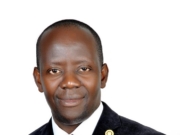
The reason this works is explained by Kiira Regional Police spokesperson, Superintendent of Police (SP) James Mubi. He notes that prominent names sell, especially when greased with adultery and money issues. Content creators know that a video titled “Pastor does this” will get 200 views, but a video titled “Prophet Daudi does this” or “Minister does this” will get 20,000 views, even when false.
This is why the UAFCR case must be seen as part of a larger crisis. If left unchecked, this model will destroy not just churches but the entire information ecosystem. Today it is UAFCR. Tomorrow it will be another church. Next week it will be a school headteacher, a businesswoman or a cultural leader. No one is safe from a phone with data bundles and no conscience.
What UAFCR actually does on the ground: the Mega Youth Crusades.
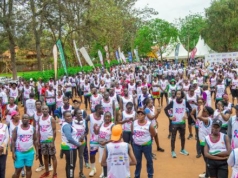
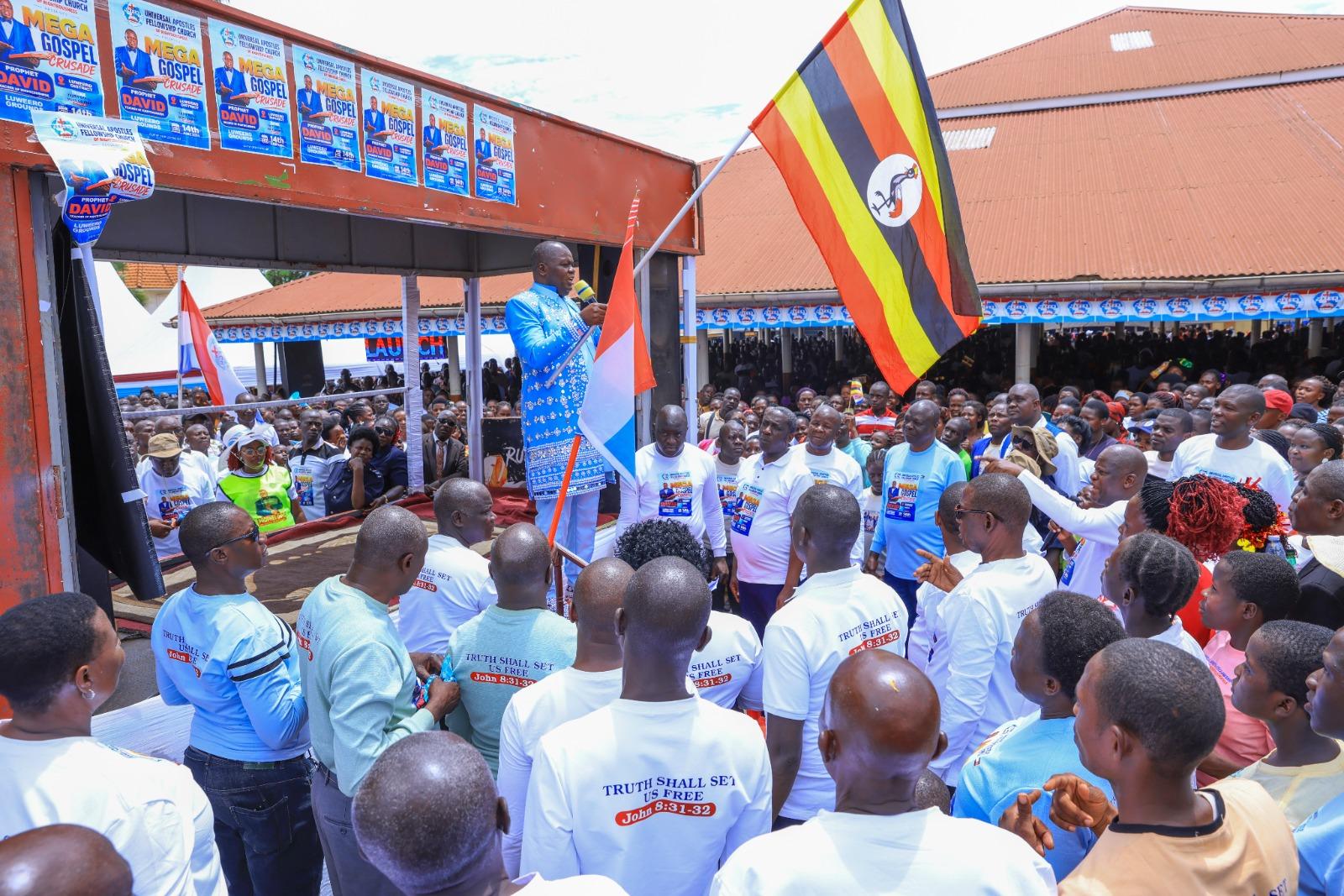
Away from this online noise, verification on the ground shows a completely different and verifiable reality. UAFCR consistently organizes Mega Youth Crusades that attract thousands of young people. The message has always been anchored on righteousness, hard work, patriotism, holiness and avoidance of reckless lifestyles.
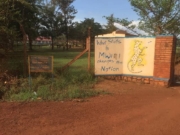
This is not a one-off event but a growing movement with a clear timeline. The maiden crusade was held on 2nd September 2023 in Kirama village, Buyinda sub parish, Namwiwa sub county in Kaliro district. It drew crowds that surprised organisers, with youth walking long distances from neighbouring villages.
The second edition, the Patriotic Youth Mega Crusade, was held on 8th September 2024 at the same Kirama village. By then the impact had spread beyond Busoga, attracting youth from all regions of Uganda plus participants from Kenya, Rwanda, Tanzania, South Sudan and DR Congo.
The last Mega Youth Crusade was held on Sunday 13th September in Jinja. Thousands filled the grounds. The preaching was not about money or plots in heaven. It was about how a righteous youth is a patriotic youth who works hard, respects parents, loves his country and avoids alcohol, drugs and fornication.
That message has kept many young people out of crime, out of early marriages and out of drug abuse. Analytically, attacking an institution that delivers such tangible moral value with lies about torture is not only false but also an attack on the moral foundation the country urgently needs, especially at a time when youth are battling unemployment and peer pressure.
Police Verification: Old allegations, No evidence, Recycled for Fame.
When contacted for independent verification, police confirmed what the church has always maintained. Some or all of the allegations were previously subjected to thorough investigations and the church has time and again been exonerated.
Superintendent of Police (SP) James Mubi said there is nothing new in what is circulating. He described it as old material being brought back by so-called content creators who believe the name of the church and its leader Prophet Daudi sells especially when greased with adultery and money issues.
SP Mubi explained that similar complaints were reported in the past, investigated and closed due to lack of evidence. There were no medical reports to prove torture, no transfer documents to prove forced sale of land or cars, and no credible complainant with a file. He cautioned content creators against defamation and cyber harassment and urged radio stations to verify information before putting it on air.
His observation that prominent names attract attention even when false should trouble every ethical journalist and content creator.
The Legal Cost and the Moral Cost of False Journalism.
This story goes beyond one church and speaks to the kind of journalism Uganda will have in the TikTok era. At The Exposure Uganda we believe firmly in the cardinal role of the media to inform, educate and entertain. But that duty must be exercised with care, because a false story does not just disappear after broadcast. It breaks trust, causes psychological torture and tears communities.
Some content creators now lift unverified TikTok claims, add dramatic music and publish. A few radio presenters, hungry for audience, recycle the same claims without a single document, police file number or right of reply. That is not journalism. It is blackmail amplified by a microphone.
Ugandan law is clear on this and carries penalties that many presenters seem to ignore. The Uganda Communications Act 2013 and the UCC Minimum Broadcasting Standards require every broadcaster to observe fairness, balance, accuracy and to offer a right of reply. Failure can lead to warnings, fines, suspension or revocation of a license under Sections 27 and 45 of the Act.
The Press and Journalist Act Cap 100 and the Professional Code of Ethics demand verification and avoidance of sensationalism. The Code requires journalists to distinguish fact from rumour and to avoid publishing material that causes unnecessary harm.
The Computer Misuse Act as amended in 2022 is even stricter for online actors. Section 22 criminalizes publication of false, malicious and unsolicited information. Section 23 covers hate speech and offensive communication. Section 24 covers cyber harassment. Upon conviction, a person faces a fine of up to fifteen million shillings or imprisonment of up to seven years, or both, and courts may order compensation to the victim.
The Penal Code Act under Sections 179 to 180 defines criminal libel and defamation as publishing matter that injures the reputation of another without lawful justification. Conviction can lead to imprisonment of up to two years, plus heavy damages in a civil suit.
These laws exist because falsehood has real social costs. When you falsely accuse a church of torture, families that worship there are stigmatized in their villages. When you claim Prophet Daudi sells heaven, his wife and children are ridiculed at school and market.
Elderly mothers who donated sugar and rice out of love are made to feel foolish for their generosity. You cause sleepless nights, anxiety, depression and broken marriages. That psychological torture is prolonged and invisible to the content creator who has already moved to the next sensational video.
It is here that every media person must pause and remember that no man is an island. Even the media person is a social animal who must reflect on the next five or more years. Today you are behind the microphone attacking a church.
Tomorrow your own daughter may be saved from early marriage by that same church’s Mega Youth Crusade in Jinja or Kirama. Today you mock a church on TikTok. In five years when your marriage is in crisis, it is that same church you will seek for counselling.
In ten years when your son is lost to alcohol, it is the message of righteousness, hard work, patriotism and holiness that will bring him back.
You cannot live outside society. You belong to it, you depend on it, and you will need the very institutions you are now tearing down.
Journalism must not destroy for the sake of a headline. Gone are the days when news was simply defined as man bites dog. Today a lie about a prominent church leader or a politician travel around the world in seconds, while truth takes weeks to catch up. An unverified TikTok clip can destroy in minutes what took decades to build.
Uganda needs journalism that builds peace, that understands that behind every prominent name is a human being with a family, that informs without defaming, educates without indoctrinating hate, and entertains without inflicting psychological torture.
The verifiable facts on the ground remain. UAFCR held Mega Youth Crusades on 2nd September 2023, 8th September 2024 and 13th September in Jinja, with a consistent message of righteousness, hard work, patriotism and holiness.
There is no court conviction, no medical report proving torture, no land title proving forced sale, and no credible victim.
As SP Mubi observed, using a respected name to grow your clientele while knowing the story is false is not clever. It is criminal, it is immoral, and it will eventually catch up with you. Apart from UAFCR, other churches and even politicians have not been spared, which proves this is not about one church but about a dangerous new economy where data bundles are used not to seek markets for products or new maize seeds or the best fertilizers, but simply to throw dirt at others for a few likes.
UAFCR’s catchword is righteousness, and no amount of blackmail can sway the church away from that foundation that has been proven on the ground in Kirama, in Jinja and across Busoga and the entire country.