


“Cancer Awareness → Prevention → Early Detection → Early Treatment.”
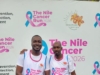
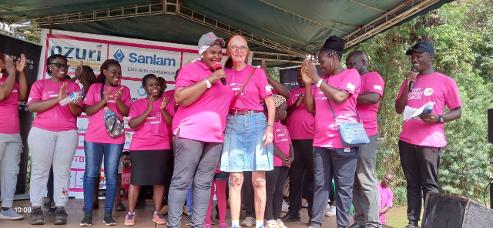
That four-step message from Ms Sylvia Nakami, Executive Director of Rays of Hope Hospice Jinja, set the tone for the launch of the 9th Annual Nile Cancer Run on Thursday 1st October,2026.
It was more than a theme; it was a plan for how Busoga can stop losing people to cancers that can be prevented or treated early.
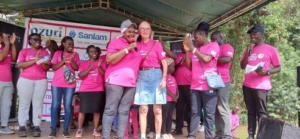
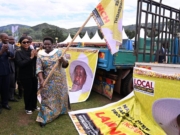
Ms Nakami was addressing a large gathering assembled at the open forecourt in front of Jinja Central Market, a few meters from the NBS and Smart FM studios along Nizam Road.
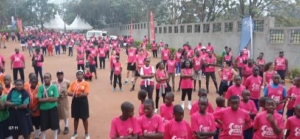
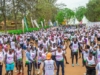
The space where Alidina Road meets the market gate is usually busy with loading trucks and shoppers, but on that morning, it was filled with traders, boda boda riders, health workers, teachers, business owners, faith leaders, cultural leaders, journalists and cancer survivors.
She welcomed them warmly and reminded them that cancer is not a hospital problem alone. It touches homes, workplaces, schools and places of worship, and the response must come from everyone.
Rays of Hope Hospice Jinja was established in August 2005 as the only specialized palliative care provider for the whole of Busoga, which covers 11 districts and over 4.5 million people.
Palliative care, which is the core of its work, is specialized care for people living with serious illnesses such as cancer and advanced HIV. When cure is no longer possible, it does not abandon the patient.
It focuses on controlling pain and other distressing symptoms, and on providing counselling, emotional, social and spiritual support to patients and their families.
At Rays of Hope, this care is delivered free of charge in patients’ own homes, allowing people to live with comfort and dignity even when they are bedridden in distant villages.
For many years its daily work involved four teams of nurses, clinicians, social workers and drivers moving 12,000 kilometres every month to reach patients who could not travel to a facility, carrying liquid morphine, dressings, food, bedding and counselling support.
In the course of that work, the hospice noticed a painful trend. Large numbers of women with cervical and breast cancer were arriving when the illness was already at an advanced stage. Pain was severe, families were exhausted and treatment options were limited.
That reality pushed the organization to rethink its role. In 2018 it started the Fight Women’s Cancer Run, not to replace palliative care but to reach people before they became critically ill, through community awareness, HPV vaccination, screening, early diagnosis and support for timely treatment.
What began with modest backing was gradually taken up by individuals, families, schools, faith communities, health facilities, local governments and corporate partners.
In 2026, the hospice has made another significant move. It has added prostate cancer screening to its prevention programme, and the reaction from men has been striking. Many have come forward, asked questions and shown strong interest in being examined.
That response is the reason the initiative has been renamed the Nile Cancer Run. While cervical and breast cancer remain central, the campaign now includes prostate cancer and actively involves men in the fight, reflecting its growth from a Jinja-based event into a broader regional drive along the River Nile.
Ms Nakami told the gathering that the challenges on the ground are still significant. Poverty, long travel distances and limited access to diagnostic and treatment services mean many patients still report late. Yet experience has shown that when teams go into villages and trading centers, attitudes change. When people understand cancer better, they seek services. When screening is brought nearer, they accept it. And when diagnosis happens early and patients are supported to access treatment, outcomes improve.
She shared figures that show both pressure and progress. In 2025, Rays of Hope cared for 1,579 patients and enrolled 874 new ones, 32 percent more than in 2024. Its teams made 8,844 contacts with patients, with three quarters happening during home visits. In prevention, it vaccinated 35,152 girls against HPV, screened 4,090 women for cervical cancer and 3,557 for breast cancer, trained 77 health workers, mentored 19 screening clinics and has now trained more than 130 health workers in total. It also supported 279 poor patients who could not afford diagnostic tests and treatment.
By the end of August 2026, the hospice had already cared for 1,544 patients and enrolled 779 new patients this year, nearly equal to the whole of last year in just eight months. Ms. Nakami said the rising numbers mean more work and greater resource needs, but they are also encouraging because they indicate the hospice is reaching people who might otherwise have remained at home without help.
She noted that statistics only tell part of the story, because behind every figure is a person and a family. A patient was present at the launch to share a personal testimony, and Ms Nakami chose to leave that story for the patient to tell, saying it would illustrate more powerfully than numbers why prevention, early detection, prompt treatment and compassionate care matter.
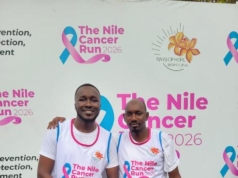
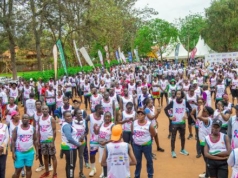
Turning to the Nile Cancer Run 2026, Ms Nakami stressed that it should not be seen as a single morning of running. Thousands are expected to assemble on Saturday, 24 October at 7:00 a.m. at Health First Gym and Fitness Center in Jinja, but the run is the most visible part of a larger effort.
October will be a month of intensive cancer action, with awareness drives in markets, schools, places of worship and workplaces, HPV vaccination, cervical, breast and prostate screening, and referral and follow-up for those who need further care. When October concludes, the work will continue throughout the year.
For 2026, the campaign has set ambitious goals: to screen 10,000 women for cervical and breast cancer, screen 5,000 men for prostate cancer and vaccinate 45,000 girls against HPV. Ms Nakami said these targets cannot be met alone.
This was the central appeal of her address. Rays of Hope Hospice Jinja is a non-profit that offers its home-based care free, conducts free screening outreach and assists poor patients with transport and investigations when families have no resources left. To sustain and expand this, it requires stronger support.
It currently operates with 34 staff and 85 community volunteers, with its main office in Jinja and a field office in Buyende that looks after 23 percent of enrolled patients. Its teams cover vast distances every month and provide medical care alongside psycho-social, spiritual, nutritional and bereavement support.
To serve more effectively, it needs additional fuel, more screening kits, more support for vaccine delivery, more diagnostic assistance, more training for health workers and more funds to help patients access treatment at the Uganda Cancer Institute.
“We need our health workers and health facilities, our district and national leaders, businesses and corporate partners, schools, churches and mosques, community leaders and the media. And, most importantly, we need our communities themselves,” she said.
She thanked those who have stood with the hospice over the past nine years and asked more people to join this new phase. She invited the audience to contribute in seven practical ways: talk about cancer at home and at work, encourage women and men to go for screening, encourage parents to have their daughters vaccinated against HPV, mobilize workplaces, families and neighborhoods to seek services, purchase the Nile Cancer Run kits because each kit supports care, sponsor the campaign as individuals, associations or companies, and join the run on 24 October.
“Every person we reach matters. Every cancer we prevent matters. Every cancer we find early matters. And every person who receives treatment in time matters,” she said.
After the formal programme, many people remained around the information tent, asking about run kits, HPV vaccination schedules for schools, prostate screening dates and training opportunities for health workers.
Ms Nakami closed with a clear invitation: “On behalf of Rays of Hope Hospice Jinja, I thank all of you who have supported us over the years and all of you who are joining us in this new chapter. Join us. Partner with us. Run with us. Together, we can prevent cancer. Together, we can find cancer earlier. Together, we can improve access to treatment. And together, we can save lives.”