


















Men, including very many young men in Lango sub region and elsewhere in the country, have lost natural prowess and now depend on misleading information extracted from the internet, where everyone with a smartphone has become an expert on everything.
Women are now making fun of such men with phrases like two-minutes men, who should not be allowed to speak in clan meetings and other public discourse because they are deemed not to be man enough.
Unfortunately, some gullible people take those online posts as gospel truth and end up ruining their health, their lives and their families. Many marriages are breaking because most are no longer stable.
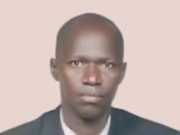
That blunt warning from the Paramount Chief of Lango, Won Nyaci Me Lango, His Royal Highness (HRH) Eng. Dr Michael Moses Odongo Okune, opened his official statement to mark this year’s edition of World Rhino Day, observed every 22nd September across the world under the global theme Keep the Five Alive, Building a Future for Rhinos.
Eng. Dr Okune is one of Uganda’s most highly decorated academics and professionals, a chartered engineer with decades of leadership in industry, infrastructure and public service.
Many in Lango are now urging the government to engage him more deliberately so that the nation can squeeze and drink more academic and professional juice from him, especially at a time when culture, health, infrastructure and conservation-related issues need evidence-based guidance.
In the statement issued from his private palace at Senior Quarters in Lira City, the Won Nyaci said he was compelled to start with this counsel because the crisis facing men has become inseparable from the crisis facing the rhino.
He said it is what a man eats, what he drinks, what he smokes and how he exercises that makes him a man or not man enough, not artificial boosters bought on the internet.
Discipline and diligence in the kitchen, discipline at the bottle, discipline with cigarettes and discipline in daily physical work is what restores natural strength.
“A man who eats well, drinks water, avoids excessive alcohol, does not smoke and walks to the garden, runs in the morning and digs, will be strong, while a man who feeds on fast foods, beers, spirits and lies from online sellers will remain weak regardless of what powder he swallows,” he counselled.
The Won Nyaci also warned women against weaponizing sex as if it is the only thing in life. He said such matters should be handled with respect and privacy behind closed doors, in what Lango refers to as a curtain lecture, where husband and wife counsel each other honestly and with dignity.
He cautioned that turning such intimate issues into gossip in saloons, at water sources, in gardens, on social media or in markets destroys marriages, humiliates families and spreads misinformation. When bedroom matters are handled with maturity inside the home, couples are able to seek health advice together and protect their union.
In Lango, the rhino is known as Amuka. It sits majestically at the center of the logo of Tekwaro Lango as the totem of the Lango people. The Won Nyaci warned against superstitious beliefs that the much-sought horn of Amuka boosts men’s sexual prowess, stressing that it is not science based.
He explained that the horn is made of keratin, the same material found in human fingernails and hair, and therefore has no medicinal value for sexual performance.
Yet the myth has persisted for generations and continues to fuel poaching across Africa and Asia, pushing species that have survived for more than 50 million years to the edge of extinction.
Eng. Dr Okune observed that many young men today are already weak at just 25 or 30, an age when they should be at their strongest. He attributed this to too much alcohol, smoking, substance abuse, lack of exercise and poor feeding on fast foods and carbonated drinks.
Instead of confronting those lifestyle causes, they turn to the internet for quick fixes where self-declared ‘experts’ post videos selling powders, roots, concoctions and even rhino horn shavings with promises of becoming a superman in bed.
Some gullible people believe them and end up destroying their kidneys, hearts and families, while creating demand that encourages criminals to kill wildlife.
The Paramount Chief therefore counselled men in Uganda to move away from reckless lifestyles of too much alcohol and lack of exercise and to do away with the huge belly which was celebrated during Idi Amin’s time as Mafuta Mingi and equated with wealth.
During that era a big belly was seen as a sign of prosperity and power. Today it is understood to be a sign of danger linked to diabetes, high blood pressure, heart disease and poor performance, not a symbol of wealth.
Modern medicine has shown that central obesity is one of the clearest predictors of future health problems. He urged men to go back to our roots, to eat well and avoid or minimize fast foods, and to embrace fruits and vegetables.
He listed local nutritious foods such as bojo in Lango or boo in Acholi, which is called goobe in Busoga and Buganda, malakwang, alaju, nakati, ntuula, millet, sorghum, beans and fish from the lakes. He advised men to drink water regularly, to walk to the garden, to run in the morning, to dig and to engage in physical work, to sleep early and to respect and be faithful to their wives. He said all these habits restore natural strength and reduce reliance on artificial remedies that harm health and endanger wildlife.
What World Rhino Day Is About.
World Rhino Day is a global call to protect the rhino and to remind the world why the animal must not be allowed to disappear. It is a day set aside to raise awareness about the plight of the 5 remaining rhino species, to celebrate progress made in protecting them and to mobilize action against poaching, habitat loss and demand driven by myths and status seeking.
The day was first announced by the World Wildlife Fund South Africa in 2010 and was first observed internationally on 22nd September 2011 after a passionate appeal by rhino advocates Lisa Jane Campbell and Rhishja Cota, who brought together conservationists, zoos, wildlife organizations and ordinary people.
Since then, it has grown into one of the most visible wildlife awareness days in the world, marked in schools, parks, cultural institutions and sanctuaries from South Africa to India to Uganda, with debates, school competitions and fundraising for rangers.
For Uganda, the day carries extra meaning because the country lost both of its native rhinos. The Eastern Black Rhino once roamed Acholi, Lango and Karamoja east of the Albert Nile and the Northern White Rhino roamed west of the Nile in Ajai, Murchison and Kidepo.
Both were wiped out by poaching and insecurity, with the last animal killed in Kidepo’s Narus Valley in 1983. For more than 20 years Uganda had no rhinos at all, a gap that is now being closed through deliberate national effort.
The reason to conserve rhinos is not sentimental. The rhino is an ecosystem engineer, a forest peacebuilder and a chief magistrate of the jungle, as the Won Nyaci described it.
A white rhino as a grazer with a wide mouth and a black rhino as a browser with a pointed lip shape the savannah. They keep grass short and open thickets for other species. Their skin is 1.5 to 5 centimeters thick yet sensitive to sunburn, which forces them to wallow in mud and create waterholes used by other animals. Their paths become highways for smaller animals. Their dung supports insects and birds and recycles nutrients. When rhinos disappear, the balance of the bush collapses.
Rhinos are also biologically remarkable and vulnerable. They are the 2nd largest land mammals after elephants, weighing between 1,000 and 2,300 kilograms.
They have poor eyesight that cannot see beyond 30 meters but excellent hearing and smell. They can charge at up to 50 kilometers per hour when provoked, yet they do not attack without reason.
Gestation lasts 15 to 16 months and a female produces only 1 calf every 2 to 3 years, so recovery from poaching is extremely slow. Their lifespan is 35 to 50 years if left undisturbed, meaning each individual killed represents decades of breeding potential lost.
According to the International Rhino Foundation’s State of the Rhino Report released for World Rhino Day 2026, fewer than 27,000 rhinos remain in the wild globally, down from an estimated 500,000 at the beginning of the 20th century.
Of those, about 15,752 are white rhinos, 6,788 are black rhinos, 4,075 are greater one-horned rhinos in India and Nepal, about 50 are Javan rhinos in a single forest in Indonesia, and only 34 to 47 Sumatran rhinos remain. 4 of the 5 species are threatened with extinction largely because of poaching driven by false beliefs about horn.
That is why Keep the Five Alive matters because it is a reminder that we have only 5 species left and cannot afford to lose any, and that extinction is permanent.
In Uganda, conservation shows recovery is possible. In 2005, 6 Southern White Rhinos were brought to Ziwa Rhino and Wildlife Ranch in Nakasongola, a 70 square kilometre former cattle ranch whose owners gave away 7,000 head of cattle to create a sanctuary.
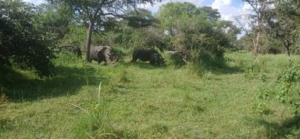
Today Ziwa holds about 59 rhinos, with more than 40 calves born since, and remains the only place in Uganda where visitors can track rhinos on foot within a few meters under ranger guidance. The sanctuary employs hundreds directly and indirectly and anchors Uganda’s tourism circuit between Kampala and Murchison Falls.
Under the National Rhino Conservation and Management Strategy running from 2018 to 2028, Uganda Wildlife Authority has begun rewilding historic ranges.
In January this year, it translocated 4 rhinos from Ziwa to Ajai Wildlife Reserve in Madi-Okollo and in March 2 more to Kidepo Valley National Park, returning rhinos to Kidepo after 43 years, with plans to move more as security and habitat improve. The goal is viable wild populations in multiple reserves.
In the background of last year’s observance, Ziwa also hosted for the first time a Rhino Naming Ceremony as part of the 11 million dollars Name A Rhino campaign led by Uganda Wildlife Authority and the Ministry of Tourism.
22 calves born since 2023 were officially named with names such as Lango, Ajai, Resilience and Forgiveness, turning a tourism product into a cultural pledge. Each name carries a story and invites the public to follow individual animals, creating ownership.
For Lango, that cultural connection is central. The Won Nyaci explained that the rhino does not attack or initiate a fight but is always ready to defend its territorial integrity once assaulted.
After pursuing an offender, it stops once the fleeing animal changes direction and hides, a sign that it does not hold a grudge for long and easily forgives. That is why other animals run to take refuge near it and why it is called the chief magistrate. It protects without being aggressive.
He said Lango people do not wage war against others but are always ready to defend themselves and when called upon they lend a hand. That is why Bunyoro requested military support from Lango against colonialists and Lango warriors led by Owiny-Akullo went not to conquer but to defend a brother, returning with women and potato vines among other things as symbols of life and coexistence.
What it means to be a Lango man or woman today is not merely to take pride in heritage but to learn to co-exist, to be strong without being a bully, to be a refuge for others and to forgive quickly.
What Health Experts Say About Erectile Dysfunction.
Health experts consulted for this article said erectile dysfunction is common, especially after 40, but it is increasingly reported in younger men in their 20s and 30s. It is usually a sign of an underlying health issue rather than a standalone problem and should be evaluated by a qualified healthcare professional rather than through unregulated online products.
Physical causes are most common. Cardiovascular disease where narrowed vessels reduce blood flow is at the top. Diabetes damages nerves and vessels and doubles the risk. High blood pressure and high cholesterol have a similar effect. Obesity and metabolic syndrome increase inflammation and strain the heart. Hormonal changes including low testosterone, thyroid disorders and high prolactin can contribute.
Some prescribed medicines for blood pressure, depression, prostate conditions and chronic pain can affect function as a side effect. Tobacco impairs circulation. Excessive alcohol disrupts the nervous system and lowers testosterone. Chronic lack of sleep and sleep apnoea reduce oxygen and affect hormones.
Psychological causes often interact with physical ones. Stress from work or finances, anxiety, depression, relationship strain and performance anxiety itself can trigger or worsen the problem. A single episode can create fear of failure that becomes a cycle. Many men suffer in silence, which increases anxiety.
Lifestyle patterns highlighted by the Won Nyaci such as heavy drinking, smoking, minimal exercise and diets high in processed fast foods, sugary drinks and low in fruits and vegetables are leading modifiable risk factors in global guidelines.
On solutions, experts advise starting with preventive measures that protect the heart and brain. Regular exercise such as brisk walking, running, cycling, digging and playing football improves circulation and mood. Maintaining healthy weight and avoiding central obesity reduces risk. A balanced diet rich in traditional vegetables, fruits, whole grains like millet and sorghum, beans, fish and adequate water supports vessel health.
Limiting alcohol, avoiding smoking, getting 7 to 8 hours of sleep, managing stress through community, prayer and family support, and seeking early review for diabetes, hypertension and high cholesterol are critical. Counselling and open communication with a partner help break the anxiety cycle.
Because erectile dysfunction can be an early warning sign of heart disease, men with persistent changes should have blood pressure, blood sugar, cholesterol and weight checked. Treatment should only be prescribed by a licensed health worker after assessment.
On what to avoid, experts warn against 3 things. First, avoid powders, herbs, capsules or animal parts sold on social media as instant boosters. They have no proven benefit and for rhino horn there is no scientific evidence because it is only keratin. Such products can be contaminated or adulterated with prescription drugs at dangerous doses and can harm kidneys and liver or interact with heart medicines. Second, avoid self-medicating with medicines from unlicensed sellers or using another person’s prescription and mixing them with alcohol. Third, avoid believing a single food or horn replaces overall health and avoid isolation and shame, because silence delays care.
Anyone with persistent difficulties, chest pain, diabetes, high blood pressure or depression should seek care promptly at a health facility. Couples should consider counselling together.
Why Men In Uganda Must Stop Hunting And Eating Wild Animals.
Beyond horn myths, conservationists warned that hunting, poaching and consumption of wild animals for bushmeat and trophies is undermining Uganda’s conservation success and costing jobs and foreign exchange.
Once a market exists for meat, horns or skins, poachers have incentive to kill and they do not discriminate between a common antelope and a highly endangered rhino, pangolin or elephant. Wire snares set for bushbuck can maim or kill a rhino calf or lion. Poison can wipe out vultures and hyenas that keep ecosystems clean. Weapons used for poaching are also linked to other crimes.
This pressure empties forests and savannahs and reverses gains made through reintroduction in Ziwa, Ajai and Kidepo. Uganda spent years and millions of dollars to bring rhinos back after 1983. Every snare threatens that investment.
It also exposes families to zoonotic diseases such as Ebola, anthrax and brucellosis that jump from wildlife during hunting and butchering, and to prosecution under the Uganda Wildlife Act which provides for heavy fines and imprisonment.
The economic loss is measurable. Tourism earned over 1.5 billion dollars in foreign exchange in the last financial year and is projected to grow as rhino tracking expands. A live rhino at Ziwa can be tracked by hundreds of tourists each year for decades, each paying fees that support rangers, hotel workers, taxi touts, boda-boda riders, craft sellers and farmers. A single rhino can generate hundreds of thousands of dollars in its lifetime.
A dead rhino yields only a keratin horn with no medicinal value. Its loss cancels investment, damages Uganda’s image as a safe destination and reduces foreign currency for roads, schools and health centers. When a tourist cancels because of poaching reports, the loss hits the woman selling groundnuts at the gate, the youth guide and the farmer supplying the lodge.
Cultural leaders therefore urge men to see wildlife as community capital, not meat. Going back to our roots does not mean indiscriminate hunting but discipline, stewardship and co-existence, where Amuka is protected as a totem, peacebuilder and source of pride.
True Lango strength was measured by protecting the weak, not killing defenseless animals. Protecting rhinos keeps tourists coming, ecosystems functioning and heritage alive for future generations.
As Uganda marked World Rhino Day, the message from Lango was clear. Keeping the 5 alive begins with keeping men healthy, marriages stable, culture rooted and wildlife alive, because discipline is wealth, Mafuta Mingi is not wealth, and a living rhino is worth far more to Uganda than any lie sold on the internet.